

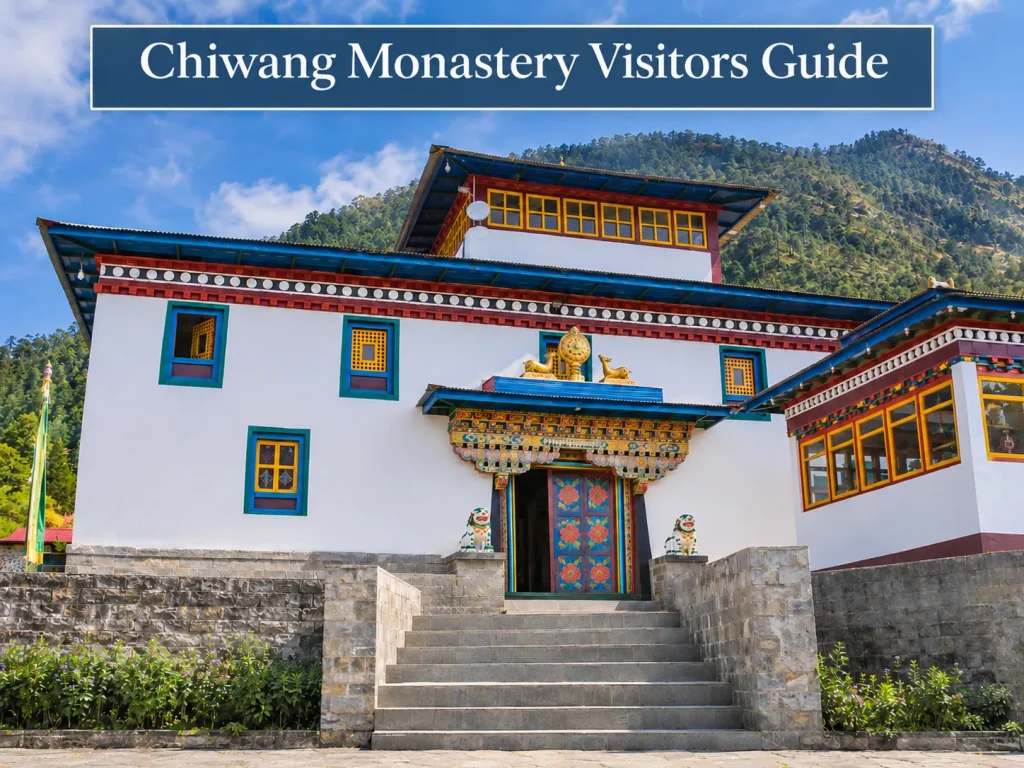
Chiwong Monastery, also called Chiwang Monastery, sits on a hillside above Phaplu in the Solukhumbu district of Nepal. It is an important place of worship for the Sherpa community and a part of the region’s long-standing Buddhist traditions. The monastery is best known for its annual Mani Rimdu festival, when monks and devotees gather for religious ceremonies and traditional masked dances.
Sangey Tenpa Lama founded the monastery in the early 1900s. Since then, it has been an important place for Buddhist prayers and Sherpa traditions. Surrounded by hills, the monastery offers a quiet place to learn about local culture and take a peaceful break while exploring Solukhumbu.
If you are planning a trip to the region, Chiwong Monastery is a place where you can learn about local history and Buddhist traditions. In this guide, we’ll cover the monastery’s background, its religious significance, the Mani Rimdu festival, how to reach it, and what to know before your visit.
Where Is Chiwang Monastery Located?
Chiwong Monastery is resting on a cliff above Phaplu and Chiwong village in Solukhumbu, eastern Nepal. It lies in lower Solu, a region of green hills and valleys south of the high Khumbu mountains. From its hillside location, the monastery overlooks the surrounding landscape at about 2,740 m (9,000 ft).
Phaplu is the closest main settlement, and the monastery is reached by taking an uphill trail from there. It isn’t right on the usual Everest Base Camp route, so you’ll need to make a separate trip to visit. Outside the Mani Rimdu festival, this also means you’re likely to find fewer visitors.
History of Chiwang Monastery
Chiwong Monastery has been an important centre of Sherpa Buddhist culture in the Solu region for about a century. It has played a role in keeping Buddhist traditions alive among local Sherpa communities.
Over the years, many respected Buddhist teachers have lived at Chiwong Monastery. Monks gather here to pray and take part in religious ceremonies. Each year, they celebrate the Mani Rimdu festival with special prayers, Buddhist rituals, and traditional masked dances. Local people also join the festival, helping keep their Sherpa culture and traditions alive as well as helping pass them down to younger generations.
Founding of Chiwang Monastery
Sangey Tenpa Lama founded Chiwong Monastery in the early 1900s, and it was built between 1919 and 1923. He wanted a place in the Solu region where monks could live and pray, and where they could learn Buddhism.
As time passed, Chiwong Monastery grew into a religious center for the Sherpa people in the area. The surrounding monks came to learn the teachings and take part in group prayers. They passed their knowledge and customs to future generations of monks. Many local people also visited the monastery to pray and join in festivals.
Religious Leaders and Historical Importance
Chiwong Monastery has been home to respected Buddhist teachers. One of them was Trulshig Rinpoche. He lived there from 1960 to 1967. His time at Chiwong Monastery helped make it an important place for learning. It also became a spot for religious practice in the Solu region.
Today, the monastery continues to bring monks and local people together for prayers, religious ceremonies, and festivals. The teachings of Buddhist teachers like Trulshig Rinpoche remain an important part of its history. They also help keep Buddhist traditions and Sherpa culture alive for future generations.
Restoration and Preservation
Over the years, the Chiwong Monastery Sangey Trust has worked to look after the monastery and make daily life easier for the monks living there. The work has included repairing buildings, adding living quarters, and installing solar power so the monastery could have electricity.
The trust has also helped support education and community needs. In 2006-2007, an old building that once housed Tibetan refugees was renovated and turned into a school and hostel. Other improvements include toilets for monks and visitors, food support for resident monks, and temporary food stalls during the Mani Rimdu festival.
Religious and Cultural Significance of Chiwang Monastery
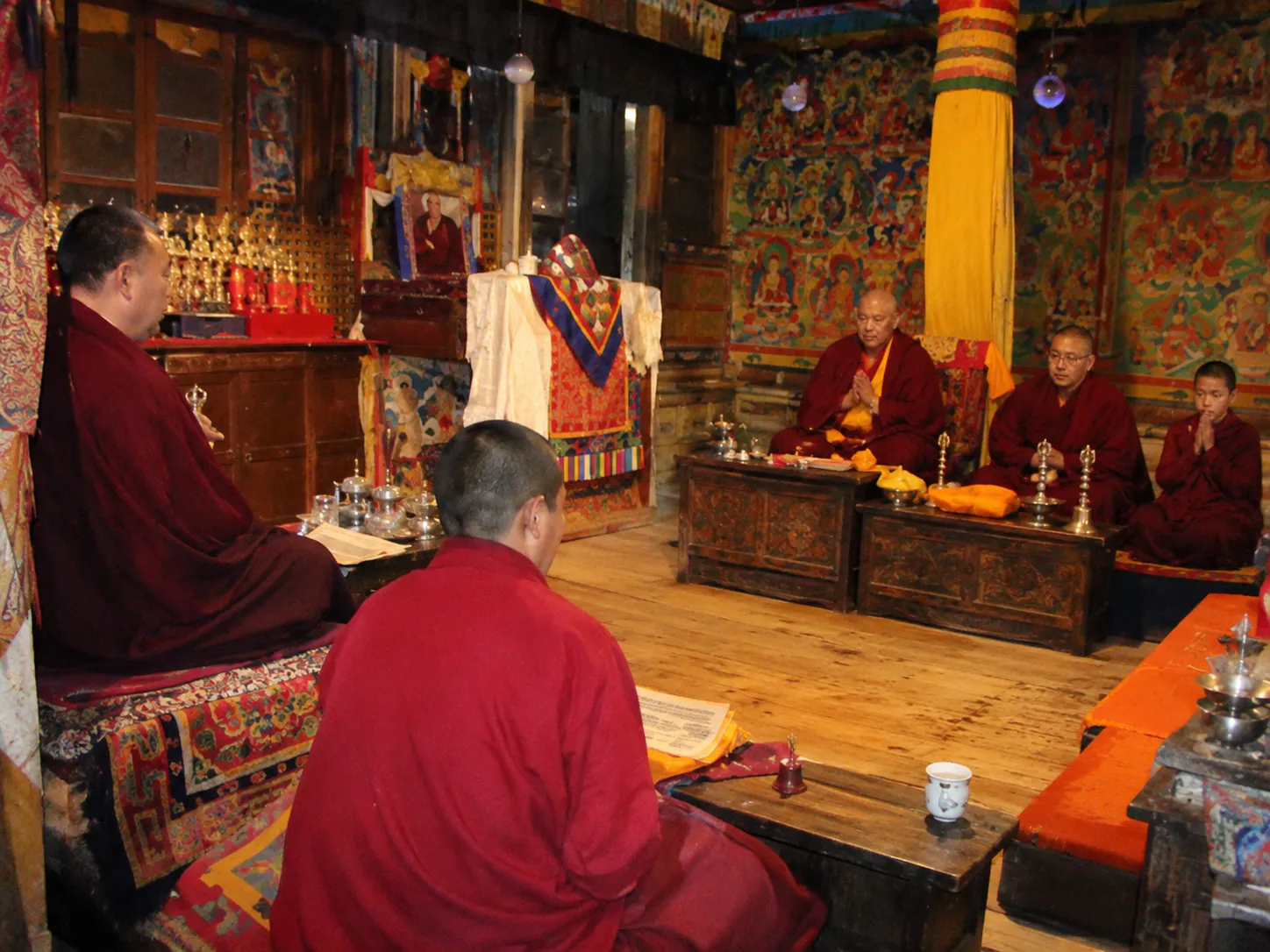
Chiwang Monastery follows the Nyingma school, one of the oldest traditions of Tibetan Buddhism. Buddhist teachings, prayer, and meditation are part of monastic life. The monastery gives monks a place to study these teachings and continue the religious practices passed down through earlier generations.
For the Sherpa people of Solu, Buddhism is a big part of their daily lives and traditions. Chiwong Monastery gives people a place to pray, take part in religious ceremonies, and meet others from their community. Monks also continue the Buddhist practices that have been followed for generations.
Each year, the Mani Rimdu festival brings monks and local people together for prayers, religious rituals, and traditional masked dances. The festival is a time for the community to celebrate its faith and culture. It also helps younger Sherpa people learn about their traditions and pass them on to the next generation.
Things to See and Do at Chiwang Monastery
Chiwang Monastery offers more than a chance to learn about Buddhist traditions. Its hillside setting, religious artwork, and quiet surroundings make it a worthwhile stop for visitors exploring the Solukhumbu region. Here are some things to look out for during your visit.
Cliffside Architecture
Chiwong Monastery sits on a steep, rocky hillside above Phaplu and Chiwong village. The buildings stand close to the slope, making the monastery a striking sight against the hills of Solu. When you visit, take a look at how the monastery is built into the hillside and surrounded by the natural landscape.
Main Prayer Hall and Buddhist Artwork
Inside Chiwong Monastery, you may see places for prayer, Buddhist statues, and religious decorations. These are an important part of the monks’ daily prayers and religious practices. Some areas may be used only for worship, so ask the monks before entering and follow their guidance during your visit.
Mountain and Valley Views
Chiwong Monastery stands on a hillside with views of the green hills, valleys, and villages of Solu. When the weather is clear, you can see small villages spread across the hills below. You may also notice local people working or walking along village paths as they go about their day. Take the moment to enjoy the views of the surrounding hills and villages, and spend a few quiet moments taking in the peaceful atmosphere.
Monastic Life and Religious Atmosphere
Chiwong Monastery is still an active place of worship where monks pray and follow their daily routines. During your visit, you may hear them chanting prayers or see them taking part in activities. Keep your voice low so you don’t disturb them and avoid interrupting any ceremonies. If you want to take photos of the monks or their religious activities, ask for permission first.
Mani Rimdu Festival at Chiwang Monastery
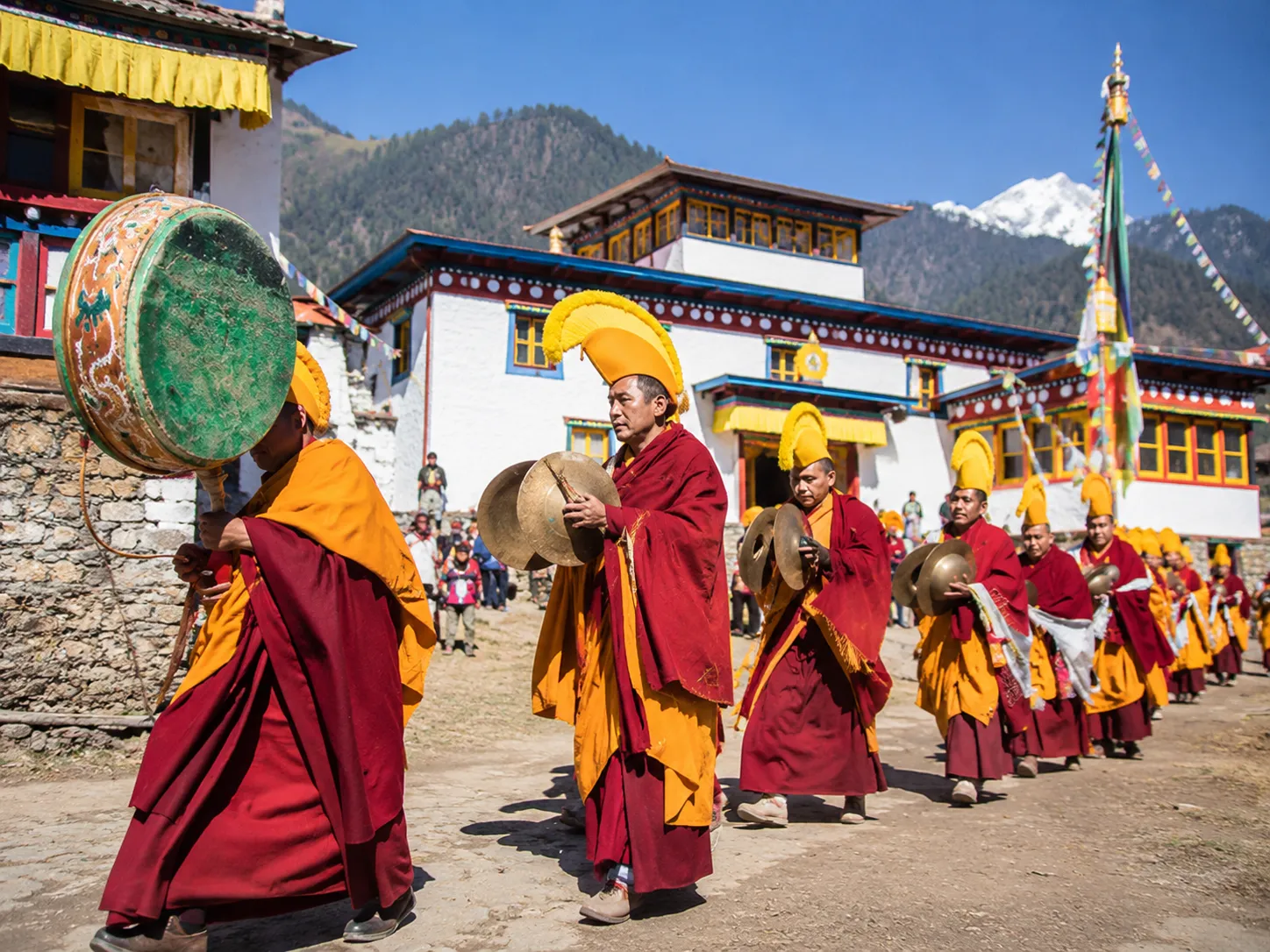
Mani Rimdu is one of the important Buddhist festivals that happens every year at Chiwong Monastery in the Solu region of Nepal. It includes prayers, religious ceremonies and blessings given by monks. One of its main highlights is the traditional masked dances performed by the monks.
For the Sherpa community, Mani Rimdu is more than a festival. It is a time to celebrate their faith, come together as a community, and honor their cultural heritage. The festival also helps keep Buddhist beliefs and traditions alive by passing them on to future generations.
What Is Mani Rimdu?
Mani Rimdu is linked to Guru Rinpoche, also known as Padmasambhava, who played a major role in bringing Buddhism to Tibet and Himalayan region. During the festival, monks recite prayers and perform sacred dances. The dances act out in the form of stories from Buddhist teachings, and they show how wisdom overcomes negative forces.
For Sherpa Buddhists, Mani Rimdu is a time to receive blessings, pray for well-being, and come together as a community. Monks spend days preparing for the celebration through prayer and meditation. They also create a detailed sand mandala and bless sacred pills, which are given to people attending the blessing ceremony.
Main Ceremonies of Mani Rimdu
Mani Rimdu includes several religious ceremonies, each with its own meaning and purpose. Monks give blessings, perform masked dances, make fire offerings, and take part in rituals involving a sacred sand mandala. The table below explains these main ceremonies and what each one represents.
| Ceremony | Description |
|---|---|
| Wong | The blessing ceremony where attendees receive blessings and sacred pills for good fortune and long life |
| Chham | Monks perform traditional masked dances that represent Buddhist teachings and the defeat or transformation of negative forces. |
| Jinsak | A fire offering ceremony with prayers for protection, peace, and well-being. |
| Sand Mandala | Monks create a detailed design from coloured sand during the festival preparations. After the ceremonies, they dismantle it and take the sand to a nearby spring as an offering. |
Can Tourists Attend Mani Rimdu?
Yes, tourists can attend the ceremonies at Chiwong Monastery. These public ceremonies include the blessing ceremony and masked dances. The exact schedule depends on the arrangements each year. Tourists can watch the rituals, learn more about Sherpa Buddhist culture.
If you plan to visit during Mani Rimdu, confirm the festival dates and visitor arrangements with the monastery before travelling. The dates follow the Tibetan lunar calendar, so they change each year. It is also worth checking the local travel conditions and allowing enough time to reach the monastery.
Note: During the festival, dress modestly, speak quietly, and follow instructions from the monks or organizers. Ask before taking photographs, especially during prayers and ceremonies.
How to Reach Chiwang Monastery?
Phaplu is the nearest main town for visiting Chiwang Monastery in Solukhumbu. You can travel there from Kathmandu by road or take a flight if one is available. Once you reach Phaplu, you can continue to the monastery by local jeep or walk up the hillside. There are several ways to reach Chiwong Monastery, depending on your travel plans and preferences. Below are the options you can choose from to get there.
Kathmandu to Phaplu by Road
The journey from Kathmandu to Phaplu is approximately 250-270 km and takes around 9-12 hours, depending on traffic and the condition of the roads. The route passes through winding hills, quiet villages, and small towns, giving you a chance to see rural life in Nepal. Some stretches are unpaved and bumpy, so choosing a comfortable vehicle can help make the long drive more pleasant.
Note: During the monsoon, checking road conditions before departure helps ensure a smoother journey because heavy rain may cause road delays, but travel is not always disrupted.
Kathmandu to Phaplu by Flight
Flying is another way to get to Phaplu. When flights are running, the trip from Kathmandu usually takes 30 to 40 minutes. This is much faster than traveling by road, where the journey can take hours. Flights to Phaplu do not run every day. Mountain weather can cause delays or even cancellations. So it is important to check with the airline or a local travel operator before you make your plans.
Phaplu to Chiwang Monastery by Jeep
From Phaplu, you can hire a jeep to Chiwong Monastery. The trip usually takes 30 to 45 minutes, but the exact time depends on how the road is in that area. Because Chiwong Monastery sits on a hillside, the jeep sometimes cannot drive all the way to the gate. So, you will need to walk a distance from where the jeep drops you off. Local jeeps in this region are limited. Therefore, it is a good idea to arrange your transport ahead of time so that you can avoid any delays.
Hiking from Phaplu to Chiwang Monastery
If you like walking, you can hike from Phaplu to Chiwong Monastery on foot. It takes around 2 to 3 hours since the path goes uphill through the local area. Wear shoes that grip well. Bring water with you. Be careful and slow down on the steeper parts. If you don’t know the area, talk to locals before you begin. Walking lets you see the villages, trees and hills along the route. You notice more when you take your time. The walk becomes part of the adventure, not a way to get to Chiwong Monastery.
Chiwang Monastery Distance and Travel Time
The time it takes to reach Chiwong Monastery depends on your mode of transport. Most visitors travel from Kathmandu to Phaplu by road or flight, then continue to the monastery by jeep or on foot. The table below gives a guide to travel time for each route.
| Route | Approximate travel time |
|---|---|
| Kathmandu to Phaplu by road | 9 to 12 hours |
| Kathmandu to Phaplu by flight | Around 45 minutes, when flights operate |
| Phaplu to Chiwang Monastery by jeep | Around 30 minutes |
| Phaplu to Chiwang Monastery on foot | Around 2 to 3 hours |
Note: These times are rough estimates. Flights, road conditions and local transport can all change, so check them before you leave.
Best Time to Visit Chiwang Monastery
Chiwong Monastery is worth visiting throughout the year, with each season offering a different experience. Spring and autumn are generally the best times for comfortable weather, sightseeing, and walking around the monastery. Autumn is especially appealing if you want to attend the Mani Rimdu festival, although the exact dates vary each year. Here’s a look at what each season is like to help you choose the best time for your visit.
| Season | Weather | Visiting experience |
|---|---|---|
| Spring (Mar-May) | Mild temperatures and pleasant days | Good time for hiking and sightseeing and enjoying the green hills around the monastery |
| Autumn (Sep-Nov) | Generally clear skies and cool weather | Ideal for sightseeing and walking, with the opportunity to experience Mani Rimdu if your visit matches the festival dates |
| Winter (DecFeb) | Cold mornings and nights | A quieter time to explore the monastery and enjoy the surrounding landscape |
| Monsoon (Jun-Aug) | Warm, rainy and often cloudy | Lush green surroundings and a fresh landscape; allow extra time for travel and check trail and road conditions |
Entry Fee, Opening Hours, and Visitor Guidelines
At Chiwong Monastery, all visitors who like to learn about Buddhist tradition and culture are welcome. As there’s no entry fee, visitors are free to donate, as it helps to support the monks and help to maintain the monastery. You can walk the grounds throughout the day, but prayer halls and other indoor areas may be closed at certain times, depending on the monastery’s daily routine.
| Detail | Information |
|---|---|
| Entry fee | Free for all visitors |
| Donations | Voluntary donations are welcome |
| Opening hours | Open 24 hours, but access to indoor areas may vary |
Visitor Guidelines
- Respect local customs: Avoid revealing clothing and wear outfits that cover your shoulders and knees when visiting sacred places.
- Ask before taking photos: Photography may be restricted in some areas. Always ask before photographing monks or people praying.
- Keep your voice low: Avoid disturbing prayers, ceremonies, or people who are meditating.
- Local customs: Respect local customs by taking off your shoes before entering prayer rooms when required. Always ask before touching religious items or objects inside the monastery.
- Respect the monastery: Follow instructions from the monks and stay out of private areas unless invited.
Accommodation and Food Near Chiwang Monastery
Phaplu and Salleri are places visitors choose when visiting Chiwang Monastery, as they are convenient places to find good food and accommodation. Here, you will find local shops offering meals such as traditional Buddhist dishes, momos, thukpa (a noodle soup), and dal bhat, which are freshly prepared. There are also small tea shops where you can stop for a quick tea break and enjoy light snacks. When you are here, try chhurpi, a traditional Himalayan hard cheese, and organic apples grown in the Solu region if they are in season.
You can stay in hotels and guesthouses in either town. If you plan to visit during the Mani Rimdu celebrations, book your room early as more visitors come to the area during this time. It is also a good idea to eat in Phaplu or Salleri before going to the monastery as food options near the monastery may be limited.
Places to Visit Near Chiwang Monastery
After your visit Chiwang Monastery, if you have time, you should explore nearby places in the Solu region. The area has traditional Sherpa villages, other Buddhist monasteries, and scenic walking trails through the hills. You can also head farther into the countryside to enjoy mountain views. The following places are worth considering when planning your visit.
Phaplu and Salleri
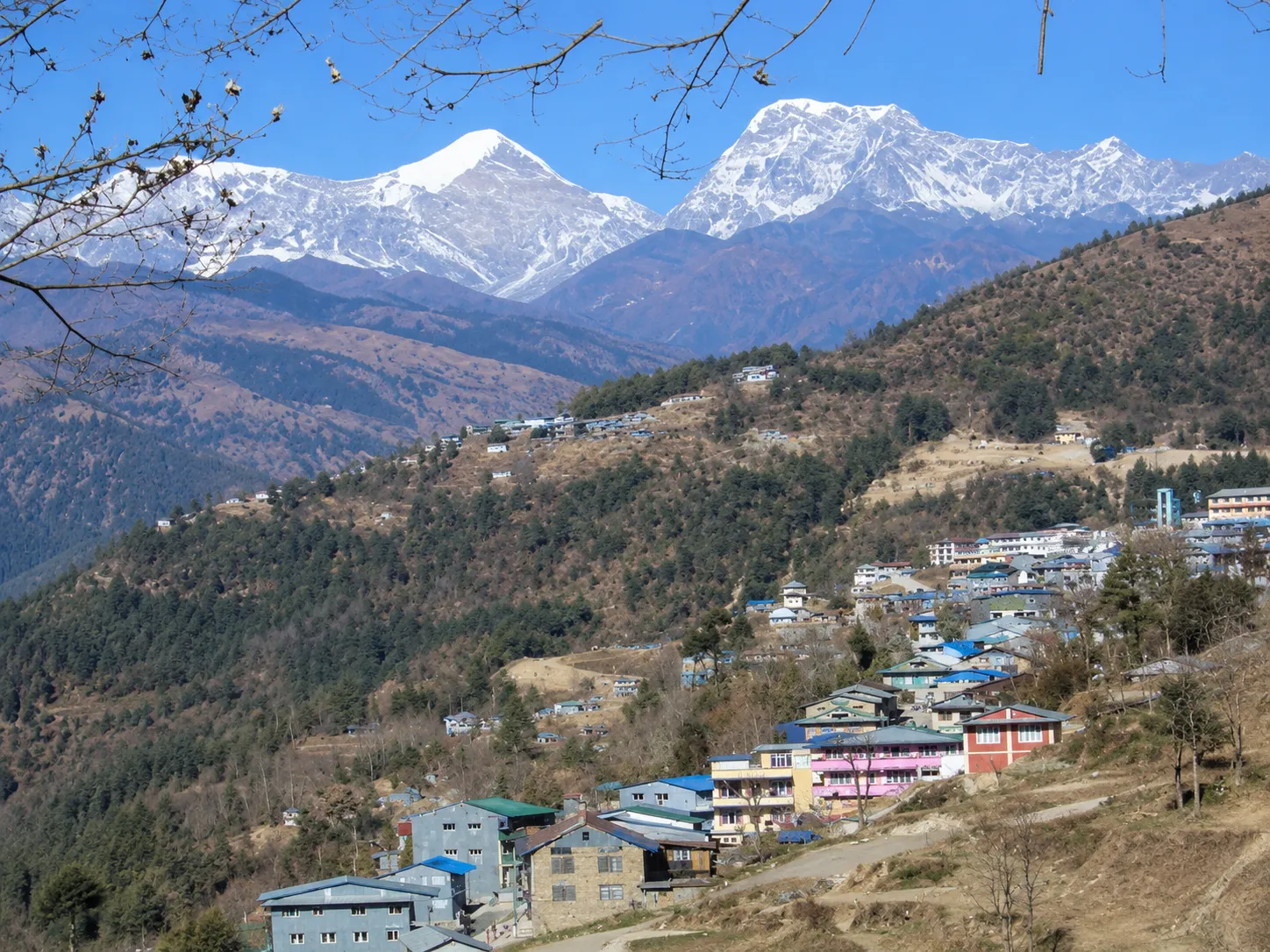
Phaplu and Salleri are small towns where you can get a feel for everyday life in the Solu region. You can walk through local shops, visit the markets, and enjoy traditional Nepali food. Both towns have hotels and guesthouses where you can stay during your trip. A walk around the towns also gives you a chance to meet local people and learn about life in the Himalaya.
Junbesi Village
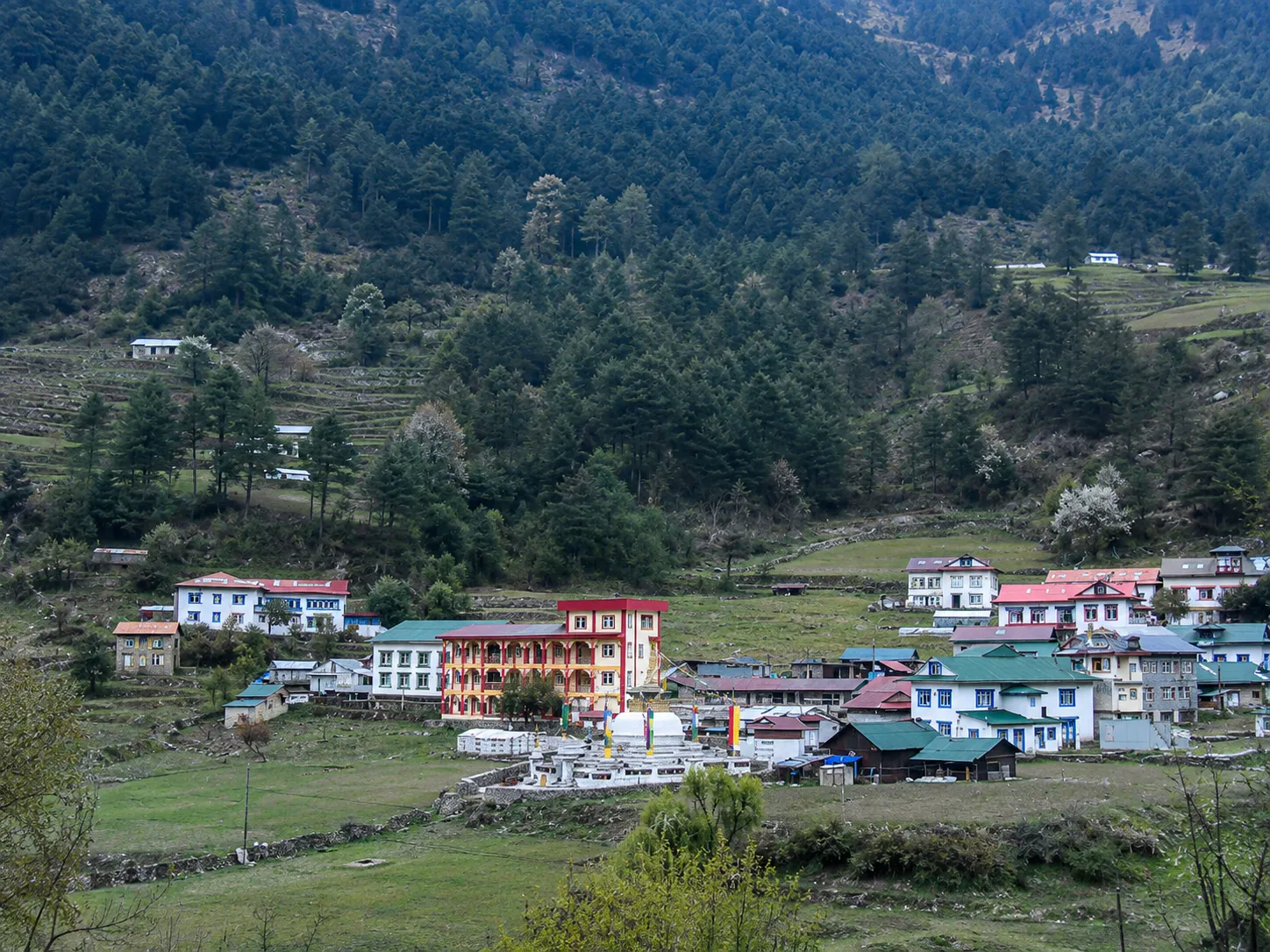
Junbesi, which translates to the “Valley of the Moon,” is as beautiful as its name suggests. It is a charming traditional Sherpa village surrounded by green hills and mountain views. It is an interesting stop for travellers exploring lower Solukhumbu, as they can experience traditional stone houses, the local way of life, nearby Buddhist monasteries, and learn more about the region’s cultural heritage and natural beauty.
Thupten Choling Monastery
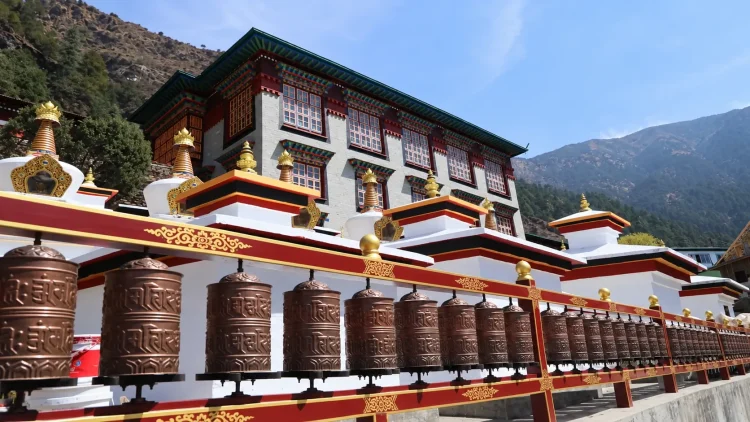
The Thupten Choling Monastery is another monastery that is worth visiting in the Solu region. It is a place where monks do their prayers and religious activities, helping to keep Tibetan Buddhist traditions alive. Going to both Thupten Choling and Chiwang Monastery helps you learn more about Buddhism and how it is part of life in the area. Remember that going to Thupten Choling might take longer, so make sure to look at the route and check the travel conditions before you start your journey.
Pikey Peak and Dudh Kunda Lake
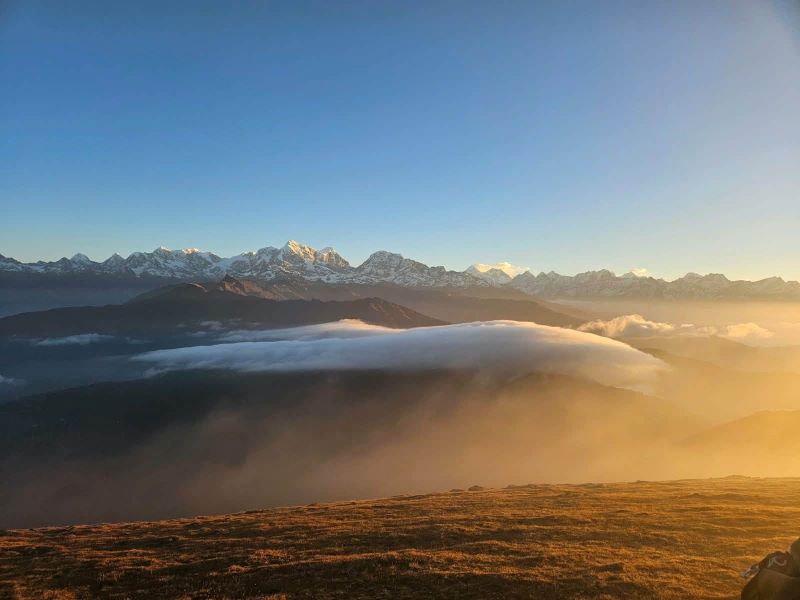
If you are tired of exploring only cultural places, have more time, and want to see more of Solukhumbu, Pikey Peak and Dudh Kunda Lake offer two completely different experiences. Pikey Peak is a popular trekking spot in the Solu region, where many travellers come to enjoy far-reaching views of the Himalayas. Dudh Kunda Lake, on the other hand, is a sacred alpine lake in the Solukhumbu region, offering a quieter journey into the mountains where natural beauty meets spiritual significance. It is visited by Hindu and Buddhist devotees who come to offer prayers and seek blessings. As both trips require extra days and proper trekking plans, they are best suited to travellers who have enough time to explore Solukhumbu.
Is Chiwang Monastery Worth Visiting?
Yes, Chiwang Monastery is worth visiting for its hillside location, heritage and quiet surroundings. Set on a cliff above Phaplu and Chiwang village, the monastery offers views of the green hills and nearby settlements. It’s a place to learn about Sherpa culture and see how Buddhism remains part of everyday life in the Solu region.
The monastery has a long history and remains an active place of worship. During your visit, you may hear monks chanting prayers or see them carrying out their daily religious practices. If you visit during the annual Mani Rimdu festival, you may also witness traditional masked dances, prayers, and other ceremonies. These events give visitors a chance to see local Buddhist traditions up close.
Whether you enjoy cultural sites, mountain scenery, or exploring places beyond the usual tourist routes, Chiwang Monastery offers a worthwhile experience. You can explore Chiwang Monastery on its own or visit it as part of a trip to Phaplu, Salleri, and nearby places in Solukhumbu. Since the monastery sits uphill, allow enough time to reach it and explore at a comfortable pace.
If you want to discover more of Solukhumbu, Adventure Great Himalaya can help you plan your trip. You can also request a separate visit to Chiwang Monastery to include it in your travel plans.
Combining Chiwang Monastery With a Wider Solukhumbu Trip
You can make your visit to Chiwang Monastery part of a wider trip around Solukhumbu. The region has quiet Sherpa villages, old Buddhist monasteries, and hiking trails with views of the surrounding mountains. If you have extra time, you can explore these places and get to know more about local life and culture. Here are a few nearby destinations you can add to your itinerary, depending on your interests and how much time you have.
Phaplu and Salleri
Phaplu and Salleri are places to explore lower Solukhumbu and experience local life. You can walk through the markets, visit shops, try Nepali food and enjoy the quiet hill‑town atmosphere. Both are also places to arrange transport, buy supplies and prepare for nearby villages, monasteries or treks.
Junbesi and Thupten Chholing Monastery
Junbesi is a Sherpa village surrounded by green hills and stunning mountain views. As you walk through the village, you get a look at local homes and a real sense of Sherpa culture. A short trip to the Thupten Chholing Monastery offers another cultural experience. There you can learn about traditions and see how the monks live their daily lives.
Pikey Peak Trek
The Pikey Peak Trek is a choice if you want to enjoy the mountains while exploring the Solukhumbu region. Along the way, you’ll pass through Sherpa villages, forest paths and open hillsides. The climb leads to a viewpoint where you can see a long stretch of the Himalayas. It’s an option if you want a shorter trekking experience instead of a longer journey in the Everest region. If you’d like to know more about this trek, you can check Pikey Peak Trek.
Dudh Kunda Trek
Dudh Kunda is a holy lake situated below the Numbur Himal range, and is visited by both Hindu pilgrims and Buddhist pilgrims. The trek leads through forest paths, under-explored villages, and a beautiful mountain landscape. The trip to Dudh Kunda is longer and needs more planning than a visit to Chiwong Monastery so that Dudh Kunda visitors will need several days, proper trekking gear and time to adjust to the high altitude.
Plan your Solukhumbu trip based on how much time you have and what you want to see. You can explore Chiwang Monastery and nearby Sherpa villages on a short trip or spend a few extra days trekking through the hills and mountains.
If you need help planning your Solukhumbu trip, contact Adventure Great Himalaya to arrange your route, transport, and overnight stays based on your interests and available time.
Why Explore Solukhumbu With Adventure Great Himalaya?
Adventure Great Himalaya Treks & Expeditions is a Nepal-based trekking company in Kathmandu that organizes private and group treks, hiking trips, peak climbing, and adventure tours across the Himalayas. With experienced, government-licensed guides, the team can help you explore the region and make the most of your time in the mountains.
Your Solukhumbu journey does not have to focus on trekking. You can contact Adventure Great Himalaya to discuss a customized itinerary that includes Chiwong Monastery, traditional Sherpa villages and other cultural sites along with your chosen trekking routes.
Whether you have a day or plan to explore for longer, the team can help you plan the Solukhumbu journey around your interests and schedule. Get in touch with Adventure Great Himalaya to start planning your Solukhumbu journey.
Conclusion
Chiwong Monastery is a Buddhist site in Solukhumbu that was founded in the early 1900s. Chiwong Monastery sits on a hillside above the villages of Phaplu and Chiwong, and it continues to be an important place for Sherpa culture and Buddhist traditions. Each year, the Mani Rimdu festival draws monks and local people together for prayers, blessings and traditional masked dances.
A visit to Chiwong Monastery offers more than mountain views. It gives you a chance to learn about local traditions and see how Buddhism continues to shape life in the Solukhumbu region. You can visit the monastery on its own or include it in a wider Solukhumbu trip with places such as Phaplu, Salleri, Junbesi, and Thupten Chholing Monastery. If you have more time, you can also add a trek to Pikey Peak or Dudh Kunda to experience more of the region.
 Monday, November 16th, 2026
 Thursday, November 5th, 2026
 Wednesday, November 4th, 2026
 Wednesday, November 4th, 2026
 Friday, October 30th, 2026
 Thursday, October 29th, 2026
 Friday, September 18th, 2026
 Thursday, June 11th, 2026
 Thursday, June 11th, 2026
 Saturday, July 11th, 2026
 Monday, August 31st, 2026
 Tuesday, August 11th, 2026
 Thursday, July 30th, 2026
 Friday, September 18th, 2026