


Annapurna Base Camp Trek in Monsoon
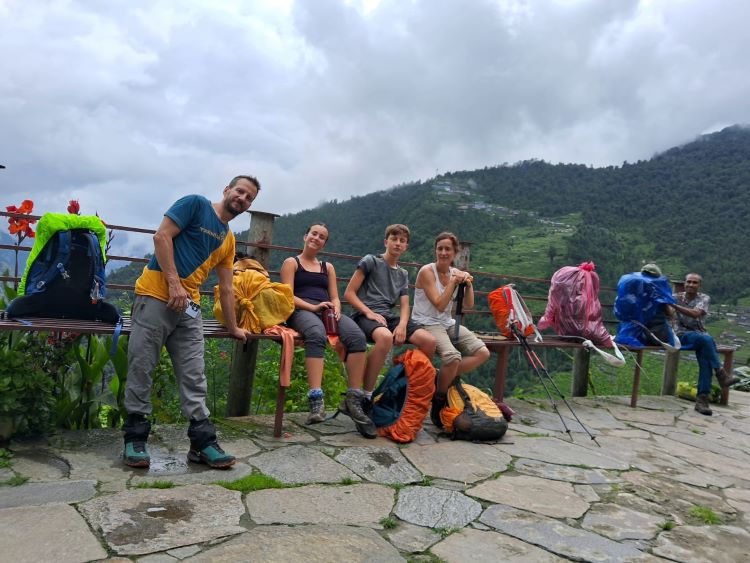
The Annapurna Base Camp Trek in the monsoon is characterized by a completely different experience in the mountains, with lush landscapes, serene paths, and vibrant nature around. This time of the year features dense green forests, strong waterfalls and blooming wildflowers creating a fresh and picturesque trekking environment.
Nevertheless, the Annapurna Base Camp Trek in monsoon also requires trekkers to deal with heavy rainfalls, slippery trails, leeches, clouded mountain views and the possible risk of landslides.
Well then, is the Annapurna Base Camp Trek in the monsoon season really feasible?
Of course, it is possible; however, the trek requires proper preparation, flexible planning and realistic expectations.
If you are prepared to deal with the unpredictable weather and like the idea of solitude, then the monsoon season will show you one of the most raw and scenic sides of the Annapurna region.
While it is true that the mountain scenery would be less visible, the tranquil environment, charming waterfalls, foggy woods, and the lack of crowds will present you with a unique and fascinating aspect of trekking to the Annapurna Base Camp during the monsoon.
For those trekkers who prefer peace and enjoy the fresh nature, the monsoon can be a perfect time for trekking to Annapurna Base Camp.
Can You Do the Annapurna Base Camp Trek During Monsoon?
Indeed, you can go to Annapurna Base Camp even during the monsoon season. The trail is accessible, the teahouses are in operation and a lot of local guides or trekking companies like Adventure Great Himalaya run Annapurna Base Camp trips throughout June, July and August.
Nevertheless, the monsoon season is not an optimal time for trekking since the weather becomes more unpredictable. It is widely regarded as an off-season for trekking in Nepal.
Annapurna is greatly affected by monsoons as the area gets a lot of rain because it is situated on the southern side of the Himalayas where the Indian monsoon impacts strongly. The lower part of the trail near Pokhara, Ghandruk, Chhomrong and Bamboo sees lots of rain.
In contrast to other rain shadow destinations like Upper Mustang and Upper Dolpo, the Annapurna Base Camp is not protected from monsoon clouds. It means that trekkers need to be ready for the:
- Rain showers
- Cloudy mountain views
- Wet and muddy paths
- Trail disruptions
- Low visibility
Despite these challenges the trek remains achievable for hikers who prepare properly and adequately.
Annapurna Base Camp Trek Weather During Monsoon
The monsoon season in Nepal typically spans from June to early September. There are slight variations in the trekking experience depending on the month. As the monsoon season progresses, there are changes in terms of trail condition and weather and overall trekking atmosphere.
June
June is the start of the monsoon season in Nepal. There is an increase in precipitation, especially towards the latter part of the month. The temperature remains warm for the lowland areas. There are occasional clear mornings with glimpses of the surrounding mountains before clouds build up later in the day.
The trekking trails are not very crowded because the number of visitors significantly drops compared to the peak spring season. June can still be a suitable time for the Annapurna Base Camp Trek particularly during the first half of the month when rainfall is generally less intense and trail conditions are relatively manageable.
July
July marks the peak of the monsoon season. It is the wettest month in which to go trekking in the Annapurna region. While trekking during July in Nepal, you can anticipate afternoon showers, high levels of humidity, clouds covering the mountains, and wet forest paths.
As a result of warm and moist weather, leeches are active in the lower portions of the route. Even though the month of July does not provide clear Himalayan vistas that are usually observed during autumn, it still provides an interesting trekking adventure with green surroundings, impressive waterfalls, misty valleys, and peaceful trails without many visitors.
August
Trekking during August in Nepal experiences similar weather conditions as July. However, there is a possibility of less rain at the end of the month due to the approach of the post-monsoon season in Nepal.
During August, the Annapurna region becomes exceptionally lush, with abundant waterfalls, vibrant vegetation and refreshed landscapes. Due to a small number of visitors who come to Nepal at this time, the trails become less crowded and provide better opportunities to get acquainted with the local people.
Late August can occasionally offer improved weather windows providing opportunities for clearer views before the popular autumn trekking season begins.
Why the Annapurna Base Camp Trek During Monsoon Is Challenging
Rain and Wet Environment
The greatest difficulty while taking the Annapurna Base Camp Trek in the monsoon is that there is rain throughout this time.
The initial part of the trail involves trekking through rice fields, rhododendron and bamboo forests, river valleys, and a humid subtropical environment, which all get ample rain from June until August. This means that the whole day is spent by trekkers in a wet environment, with both their gear and clothes being drenched as well.
Rain, along with a wet backpack, slippery stones, poor visibility, and high humidity levels, makes even a moderately strenuous day of trekking quite difficult. It is important to be prepared with a proper set of gear, which includes a waterproof jacket, a backpack rain cover, dry bags for gadgets, etc.
Slippery and Muddy Paths
The arrival of the monsoon rain completely alters the state of the Annapurna Base Camp path. The stone steps become slippery, the forest path becomes muddy, the wooden bridges stay wet, and parts with soft ground demand additional attention.
The path between Bamboo, Dovan and Deurali is especially challenging in the rainy season since it goes through the dense forests that get lots of rainwater and stay wet all day long.
It is much safer to move slowly than to try to go quickly, since speeding up the pace greatly increases the danger of slips and falls. Waterproof trekking boots with excellent grip and trekking poles can significantly improve stability on wet terrain.
The Risks of Landslides and Trail Obstructions
The Annapurna area receives the highest amounts of precipitation during the monsoon season, thus posing the risks of natural disasters like landslides, rockfall, rising water in streams, and trail obstructions. The chances of such threats are usually higher at lower elevations, where the amount of precipitation is higher, and the slopes are less stable.
Though major obstructions of trails are uncommon, rain may sometimes affect the trekking schedule and cause trekkers to wait until the terrain becomes passable again. Hiring an experienced local guide is advised during the monsoon, as they know about the current situation on the trails and the weather forecast and can recommend a safer path.
Limited Views of the Mountains
The weather during the monsoon season often involves heavy clouds and mist covering the mountains for a significant part of the day.
Nevertheless, this does not mean that the view is lost completely, as clouds often clear up after rain and brief periods of good weather may offer an opportunity to see the snow-covered peaks bathed in sunlight.
These fleeting moments create some of the most memorable and rewarding mountain views making patience an important part of the monsoon trekking experience.
Leeches and Insects
Leeches, mosquitoes and other types of insects are quite common while trekking during the monsoon season. This is especially high in the parts of the trail that are covered in forests or at low altitudes with hot and humid conditions, which create an ideal environment for them. Even though the bites of these insects are not dangerous, they can be irritating and take away the enjoyment of the trip.
Using long trekking socks, gaiters, and insect repellents will ensure that you reduce the chances of being bitten by insects. It is equally important not to sit directly on wet grass and muddy ground when having breaks.
Advantages of Annapurna Base Camp Trek in Monsoon
Magnificent Green Scenery
The Annapurna Base Camp Trek during monsoons lets you witness the area at its greenest state. Constant rains rejuvenate the forests, hills and valleys and make the place look like a lush paradise. The rhododendron and bamboo forests, which are abundant in the area, come alive with fresh vegetation and flora.
At the same time, waterfalls pour down the rocky slopes, and the rivers flow at their strongest. Fog drifting over the valleys and the mountains makes the landscape even more fascinating. Such changing weather provides a lot of photo opportunities for those who are fond of photographing the Himalayas. These are the scenes that are rarely seen during the dry seasons.
More Peaceful Trekking
In contrast to the popular spring and autumn seasons, when the paths and teahouses get very crowded, there are significantly fewer trekkers in the rainy season. You will have the opportunity to explore the area at your own pace without the usual crowds.
Serene trails, the quiet atmosphere in the villages and less crowded teahouses will give you an intimate connection with the Himalayan nature and culture. The walk in the Annapurna Sanctuary with mist-covered trees and the sound of the raindrops will give you a feeling of solitude and serenity that is difficult to experience during peak trekking seasons.
More Cultural Interaction
The period of monsoon is relatively calmer and allows for increased interaction with the local populace of the regions near the trekking path.
As the number of tourists reduces, teahouse managers and villagers alike get more time to talk about their culture and way of living. There is an opportunity to enjoy freshly prepared local meals, observe the conventional farming method of the people, and experience the hospitality of the local communities.
Annapurna Base Camp Monsoon Packing Recommendations
The key to an enjoyable ABC trek lies in carrying the right equipment. As heavy rains, high humidity, and damp trails are common during monsoons between June and August, buying good-quality waterproof gear can definitely change the experience of your trekking trip.
It is vital to carry a waterproof jacket and rain pants, weather proof backpack cover to ensure that both you and your stuff remain dry. It would also be a good idea to have dry bags or stuff sacks to protect your clothing items, gadgets and documents from getting wet. A waterproof phone case is also a necessity as you can take pictures of the spectacular views during your trek.
You should select your clothing and shoes based on comfort and practicality. You should not wear cotton clothes since they tend to absorb water and take time to dry. Instead go for lightweight trekking shirts and trousers that can dry quickly. In addition, you must pack a thermal layer and a fleece jacket because the weather will be cold at alpine heights. Plus, some extra pairs of socks are needed to keep your feet dry.
Waterproof trekking shoes that have good traction will allow you to move easily on slippery or muddy trails. Trekking gaiters should also be used to prevent water, leeches, and mud from entering your shoes. Furthermore, you should bring some first aid items, medications, mosquito repellent, water treatment tablets, sunscreen and a headlamp.
Safety Tips for Annapurna Base Camp Trek During Monsoon
- Try to embark on your trek in the early morning hours because heavy showers occur during afternoons.
- Your trekking schedule should be adaptable as monsoon rains may result in unforeseen holdups.
- Keep track of the weather forecast and during your trek and listen to any local recommendations that may be useful.
- Never force your itinerary if there is heavy rainfall, landslides, flooded streams, and poor conditions on the trails.
- It is highly recommended to hire a guide for the monsoon trekking as the decision making process in this case is more complicated than in the dry season.
Is Annapurna Base Camp Trek Worth Doing During Monsoon?
Whether the Annapurna Base Camp Trek in monsoon is worth undertaking would depend largely on what you anticipate from this trek. This trek is highly recommended to travelers looking for adventure, photographers who seek unique scenery, experienced trekkers who can adapt to changes in the weather and those seeking tranquil paths free from the crowds.
But it might not be the ideal time for novice trekkers who expect guaranteed mountain views, travelers who have limited time on their itinerary, and those who find it challenging walking through rain.
The Annapurna Base Camp Trek in monsoon is not the easiest option when it comes to trekking, but it gives a whole new experience of the Himalayas – a quiet path with beautiful greenery, waterfalls, misty forests and mountain culture rarely seen during high trekking seasons.
Explore the Annapurna base camp trek packages from Pokhara
8 Days Annapurna Base camp trek
7 Days Annapurna Base Camp trek
6 Days Annapurna Base Camp trek
5 Days short annapurna Base camp trek
Speak to our local travel expert, who can assist you in planning your trip.
PLAN YOUR TRIP Friday, September 18th, 2026
Top 10 Best Trekking Operators in Kathmandu, Nepal
 Friday, September 18th, 2026
17+ Best Things to Do in Kathmandu, Nepal
 Sunday, September 6th, 2026
Annapurna Base Camp Trek from Pokhara
 Wednesday, September 2nd, 2026
Best Everest Three Pass Trek Company in Nepal
 Tuesday, September 1st, 2026
26 August 2026 Nepal-Tibet Border Flash Flood
 Tuesday, September 1st, 2026
How to Get to Everest Base Camp from Kathmandu?
 Monday, August 31st, 2026
Everest Base Camp Trek Permit, TIMS & Guide Requirements
 Thursday, May 7th, 2026
Manaslu Trek Routes Guide
 Thursday, June 11th, 2026
Is Nepal Safe for Tourists? Travel Safety Guide
 Thursday, June 11th, 2026
Spiritual Travel in Nepal: A Guide for Seekers
 Monday, April 27th, 2026
Manaslu Trek Booking with Tour Guide Vs Agency
 Sunday, April 19th, 2026
10 Reasons You Should Hike Annapurna Circuit
 Thursday, April 16th, 2026
How to Choose Best Annapurna base Camp Trek Agency
 Tuesday, July 7th, 2026