


How Hard Is the Everest Three Passes Trekking
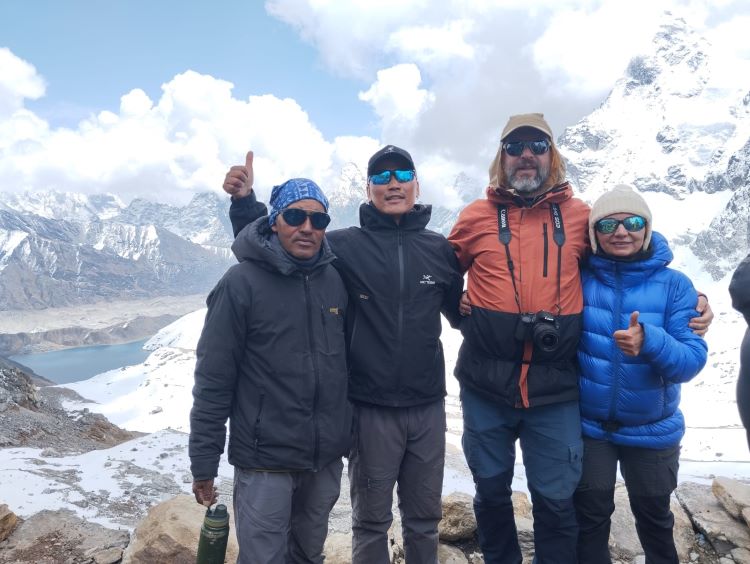
The Everest Three High Passes Trek is described as one of the most rewarding trekking adventures in Nepal. The trek offers stunning views of mountains like Everest, Cho Oyu, Makalu, Lhotse and many others.
Many adventurers often ask, “How Hard is the Everest Three High Pass Trek? The short answer is: It is challenging but achievable. It is rated as a strenuous and challenging adventure in the scenic Khumbu region.
This route includes long uphill hikes through steep inclines along rugged and uneven terrain that usually take around 5-8 hours every day. It does not require technical climbing but the high altitude, strenuous and long trekking days, rugged trail and fluctuating weather conditions make it one of the most challenging treks in Nepal.
The Everest Three Passes Trek is ideally suited for those with a strong level of physical fitness. Having some previous high altitude trekking experience can also help trekkers tackle the challenges better. But despite being a tough trek it is definitely achievable for most trekkers who are well prepared and physically fit.
You do not have to be a skilled climber for this trek. However, endurance, proper acclimatization and mental strength are necessary to cope with the difficulties of the journey.
A clear understanding of the Everest Three High Passes Trek difficulty in advance and preparing accordingly greatly helps you ensure a safe and well managed journey.
Factors Contributing to Everest Three High Passes Trek Difficulty
High Altitude
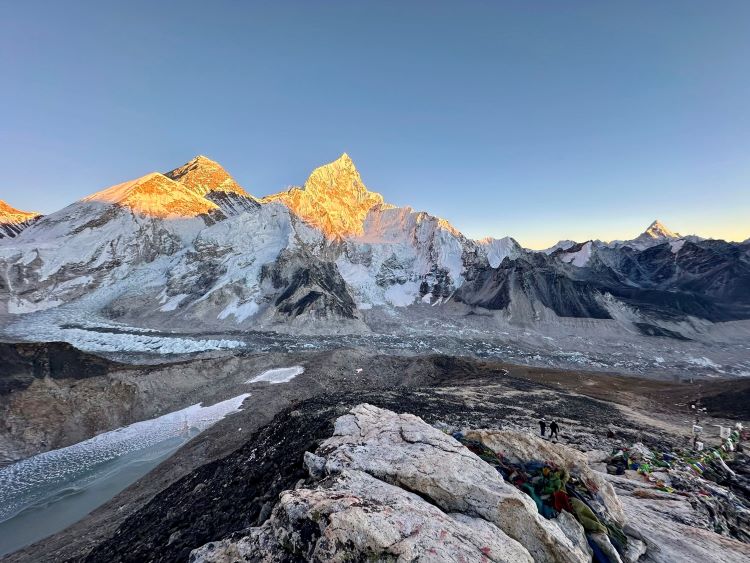
High altitude is considered the main challenge of the Everest Three High Pass Trekking. Throughout your expedition, you will be at high elevations ranging from 2,500 m to above 4,500 for several days. In addition, you will also be crossing the three high passes Renjo La (5,360 m), Cho La (5,420 m) and Kongma La (5,535 m).
At such altitudes, the oxygen levels are lower which can make even simple activities more difficult. Due to the high altitude, there is also the risk of altitude sickness especially if trekkers cannot adapt to the high Himalayan environment.
Proper acclimatization, maintaining a gradual pace and proper hydration are essential for minimizing altitude related risks. You need to ensure good preparation and apply caution during this journey. Following the saftey and acclimatization guidelines helps you cross high passes safely while also letting you fully enjoy the navigation experience.
Crossing Three High Mountain Passes
Crossing the three high altitude mountain passes is the ultimate test of the Everest Three High Passes trek. This section of the Three High Passes trek requires patience and endurance.
Kongma La (5,535 m) is the toughest pass as it is the highest one and involves ascending on the uphill rocky terrain for a long duration and a steep descent. Cho La Pass (5,420 m) requires you to navigate a rugged terrain with some snowy sections. It also involves glacier crossing. So, careful footing and good-quality trekking boots are required for it.
While navigating Renjo La (5,360 m) is relatively easier than Kongma La and Cho La, the altitude is still high which makes the journey physically demanding.
Crossing these passes is the main highlight of the adventure. But it is also its greatest physical challenge with each pass requiring you to make long ascents followed by steep descents.
Long Trekking Days
Another aspect that makes this trek difficult is the long period of daily hiking. On most days, you walk for around 6 to 8 hours while it can take even 7 to 10 hours to cross high passes, depending on the weather conditions and route difficulty.
As trekking continues for many days on rugged paths, you may feel exhausted at some point. So, for this adventure, it is better for you to focus on building endurance rather than speed.
Those trekkers who walk at a gradual pace, take frequent rest can conserve their energy and will be able to reach their destination in more comfort than those who exert themselves by walking too fast in the initial days of the trek.
Rugged and Varied Terrain
The Everest Three High Passes Trek takes you through varied terrains, which makes it tougher physically compared to other trekking routes. Along the route, you will traverse through stone staircases, suspension bridges, alpine meadows, glacial moraines, rocky ridges and narrow paths. Some sections may also have some snow, depending on the season,
Athough this route does not require any technical mountaineering skills, the changing and uneven rugged path requires you to have great balance, footing and focus. With good quality waterproof trekking shoes and trekking poles, you can maitain both balancing, decrease the pressure on your knees and enhance stability during the ascents and descents along the way.
Quick Weather Fluctuations
The quickly changing weather can make Everest Three Passes Trek more challenging.
The weather can change from sunny to windy, snowy or foggy particularly at higher altitudes.
Depending on the season you may experience extremely cold mornings and nights. You may also come across snow covered passes and rain at low altitudes. So it is essential to prepare properly for these weather fluctuations.
Being dressed in layers will help you handle and adapt according to the temperature variations during the day while a waterproof outer wear will ensure that you stay warm and dry in varying conditions on the mountain trails.
How Hard Is the Everest Three High Pass Trek: The Toughest One
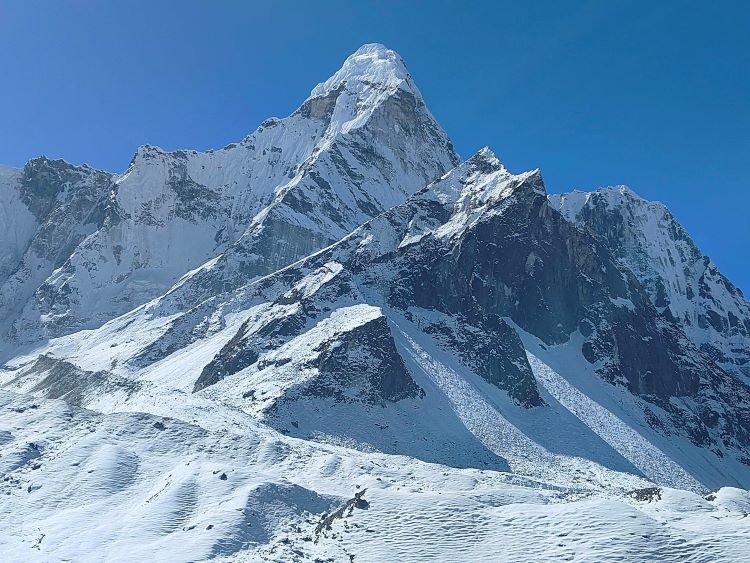
The Everest Three High Passes trekking includes three high crossings, each differing in degree of difficulty. Kongma La (5,535 m) is the toughest one with the highest altitude, a long ascent and a steep descent route. It also requires crossing through the Khumbu Glacier and this section is remote and rugged, making it the most physically demanding one.
Cho La (5,420 m) ranks second in difficulty due to its slippery ice surface and snowy sections. For crossing this pass, you have to walk across the glacier on slippery ice and sometimes microspikes might also be needed.
Renjo La (5,360 m) is a relatively easy pass compared to the other two passes of the trek. It does not involve challenges like glacier crossings or extremely long sections. But the altitude is still very high, so the main difficulty of crossing this pass comes from the altitude.
Though crossing these passes is indeed challenging, the well-prepared adventurers have successfully managed to cross them. So, it is achievable with adequate preparation and caution.
Understanding Altitude Sickness
One of the most common concerns during Everest Three Passes Trek is altitude sickness. There are low levels of oxygen at the high altitudes. This makes physical activity more challenging.
While many can experience mild symptoms at high altitudes, not taking the initial signs may lead to severe health complications. So, you should let your body get enough time for acclimatization, walk at a steady pace and carefully monitor how you feel at changing elevations.
Some Symptoms of Altitude Sickness are:
- Headache
- Vomiting
- Nausea
- Dizziness
- Appetite Loss
- Fatigue
Useful Tips to Reduce Altitude Sickness
- Walk at a gradual pace.
- Have balanced diet.
- Stay hydrated.
- Plan acclimatization days in your schedule. Follow the climb high, sleep low strategy.
- Be aware of initial symptoms and inform your guide about them if you experience any of the symptoms.
- Do not drink alcohol or smoke.
- Do not rush. Take rest when it is necessary.
- You may use preventive medication like Diamox after taking suggestions from your doctor.
- If symptoms do not get better, descend to lower areas.
Best 3 passes Trek Packages
How to Prepare for the Everest Three High Pass Trek?
Build Fitness
Having a good level of physical fitness is crucial for successfully navigating Everest Three High Passes trek. Usually, experts recommend at least three to four months prior to taking part in the Everest Three High Pass Trek.
You may do cardio exercises, strength exercises and hike to nearby areas. Strength training exercises and cardio can help you build endurance.
Hiking at high altitudes before the actual trek also prepares your body for long hours of walking and getting familiar with challenges. It also helps you get mentally prepared for the challenges that you can face along the route.
With consistent training, you can greatly enhance stamina. In addition, you can also minimize likelihood of exhaustion during the High Passes trek.
Some examples of the exercises are as follows:
Cardio
- Cycling
- Running
- Swimming
- Stair climbing
Strength Training Exercises
- Step-ups
- Squats
- Push Ups
- Lunges
- Deadlifts
- Planks
Pack Essential Gear that Can Make the Trek Easier
We highly recommend you to pack right gear for the Everest Three High Passes trek. It enhances safety and comfort. You may include essentials like trekking boots, layered clothes, warm jacket, gloves, beanie, sunhat, rain gear, trekking poles, backpack, water bottle, UV sunglasses and first aid kit.
Make sure to make a proper checklist. Thoughtful packing will help you to stay prepared for any climate changes during your journey in remote mountain region.
Have a Flexible Schedule
Having a flexible schedule is essential for the Everest Three High Passes trek. This high-altitude region has unpredictable weather. So, you will need to have extra days for possible delays. When the weather is not favourable, heading for the trek is not recommended.
When continuing the trek following the route as mentioned in the itinerary is not possible, the guides will take you to another secure place for a day hike instead. Being ready for schedule adjustments for possible weather-related delays can help you ensure a safer adventure, which makes the experience more joyful and manageable.
Tips for a Smooth Everest Three High Pass Trek
Choose the Right Season
For the best experience on the trekking trails, you may choose the ideal times for the trek: Autumn (September- November) and Spring (March- May)
These seasons offer favorable weather, good visibility and stable conditions on the trekking route. The three passes are also ideal to cross at this time with great visibility and well maintained paths. So, to ensure a smooth navigation please choose to trek in Autumn and Spring months.
Trek Gradually
You should trek gradually for proper acclimatization. Try not to rush especially when you reach higher altitudes. Ascending too quickly can raise likelihood of altitude sickness. In addition, take frequent breaks to save energy, prevent exhaustion and avoid altitude sickness.
Prioritize Acclimatization
Acclimatization is a must for successfully completing Everest Three High Passes trek. You should make sure to follow the acclimatization days included in itinerary which include designated rest days.
For this trek, acclimatization days are set in places like Namche Bazaar and Chhukung. During these days, you may include day hikes up to higher altitudes where you come back down to rest overnight.
Stay Hydrated and Take Care of Your Diet
Make sure that you drink enough water each day during the trek. Moreover, it is also essential to have nutrient rich meals. We advise you to refrain from drinking alcohol and smoking. It can affect the process of acclimatization.
Proper nutrition and hydration will help you stay fit. It ensures better adaptation to altitude. It also keeps you energized on the trail making your overall adventure smooth and joyful.
Monitor Your Health
While trekking, you should be attentive to your health. You should not overexert yourself. Most importantly, you must look for signs of altitude sickness.
Make sure to know about the signs and if you experience any of them, do not ignore them. Inform your guide, take necessary rest, and if needed, you should descend to lower elevations.
Check Weather Updates
Unexpected changes in weather are common in the Everest region, especially at higher sections. Weather changes can occur unexpectedly in the Everest region particularly while ascending the mountain passes. So, you should always check the weather forecast every morning.
Take the advice of your guide or teahouse owner before beginning the trek as they can know about real time trail conditions through their local connections.
Should You Join Everest Three High Passes Trek with a Guide?
Joining the Everest Three High Passes Trek with a guide is strongly advised. All guides leading treks are familiar with the terrain of the Khumbu region. They provide support for smooth navigation particularly at high passes where changes in weather conditions are common.
In addition, they can monitor your health, observe the signs of altitude sickness and make sure you are following the acclimatization guidelines. This helps you adapt to the high altitude.
They can take care of logistics and even arrange evacuation when any emergencies arise. Their experience greatly improves safety and lets you navigate the trails confidently increasing the success of this Himalayan adventure.
At Adventure Great Himalaya, we have professional guides who are familiar with every part of the Three High Passes route. They will be supporting you at all times during the trek, helping you in walking through right path. Likewise, they will be responsible for safety management and planning for each day.
If you book our Everest Three High Passes package, our guides will accompany you the entire time. With their support and expertise, you can enjoy a smooth, comfortable and joyful adventure in the Himalayas.
Speak to our local travel expert, who can assist you in planning your trip.
PLAN YOUR TRIP OR
Chat via WhatsApp
 Friday, September 18th, 2026
Top 10 Best Trekking Operators in Kathmandu, Nepal
 Friday, September 18th, 2026
17+ Best Things to Do in Kathmandu, Nepal
 Sunday, September 6th, 2026
Annapurna Base Camp Trek from Pokhara
 Wednesday, September 2nd, 2026
Best Everest Three Pass Trek Company in Nepal
 Tuesday, September 1st, 2026
26 August 2026 Nepal-Tibet Border Flash Flood
 Tuesday, September 1st, 2026
How to Get to Everest Base Camp from Kathmandu?
 Monday, August 31st, 2026
Everest Base Camp Trek Permit, TIMS & Guide Requirements
 Thursday, May 7th, 2026
Manaslu Trek Routes Guide
 Thursday, June 11th, 2026
Is Nepal Safe for Tourists? Travel Safety Guide
 Thursday, June 11th, 2026
Spiritual Travel in Nepal: A Guide for Seekers
 Monday, April 27th, 2026
Manaslu Trek Booking with Tour Guide Vs Agency
 Sunday, April 19th, 2026
10 Reasons You Should Hike Annapurna Circuit
 Thursday, April 16th, 2026
How to Choose Best Annapurna base Camp Trek Agency
 Tuesday, July 7th, 2026