


Everest Base Camp Trek Safety Tips
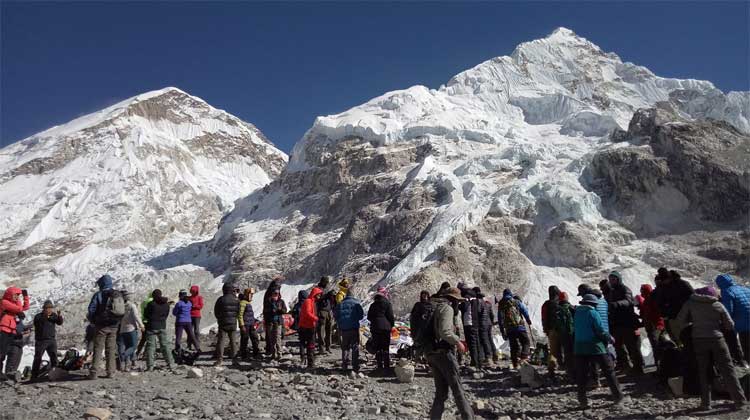
The popularity of trekking towards the Everest Base Camp soared over the years, with at least 500 tourists heading towards the trail daily during March to May and September to November. These visitors come from different parts of the world. Both men and women are training and flocking towards the famous trekking spot to join all-inclusive guided expeditions to check it off their bucket list, even during the later years of their life.
Organized Everest Base Camp trek tours can ensure their safety and help them avoid passing through the closed routes. If you want to join a trek tour or if you are planning to have a Mt. Everest adventure on your own, here is a complete guide to trekking the famous base camp of the world’s tallest mountain to leave you with several valuable tips.
1, Prepare For An Epic Trekking Adventure
A lot of people are dreaming of seeing the majestic Mt. Everest up close. Aside from trekking and mountain climbing, this spot is known for its breathtaking scenery that may be hard to replicate. That is why even those who are nearing their senior years are saving up their retirement funds, taking part in training, and finding ways to afford a trip to Nepal for this incredible experience – even in later life.
Since the trek towards the Everest Base Camp cannot be considered as a walk in the park, you need to be ready to be physically, emotionally, and financially spent just to tick this off your bucket list.
To prepare your body for the upcoming strenuous activity, you need to begin exercising four to six weeks before your scheduled trek. Your training program must be composed of lots of cardio exercises like walking, running, cycling, or swimming. You can also strengthen you muscles by including pull-ups, squats, and other core muscle training activities. However, you need to be careful not to over-train your body especially if you are 55-years-old or above since it will do more harm than good.
2, Make A List Of All The Necessary Expenses
To make sure that you will not run out of funds for your epic Everest Base Camp trek, you need to know how much you need to spend for the duration of your trip. You need to allocate at least $1180 if you plan to sign up for an organized 12-day Everest Base Camp trek tour.
This will include transfers from the airport to your hotel and back, all the necessary trekking permits, domestic flight ticket to Lukla from Kathmandu, fees for you trek guide and porter, all your meals during the trek, daily accommodation, as well as basic trekking equipment like sleeping bags, down jackets, and walking poles. This also includes medical supplies for first aid and other extras like tour shirts and duffel bag.
3, Schedule The Best Time For Trekking The Everest Base Camp
If you want to get the most out of your Everest Base Camp trek adventure, you need to do it during the Spring season or anytime between April and May or during the Autumn season which is from October to November.
These are the perfect months to hold your trek because there are less chance of rain in the area. Yet expect to see a huge crowd during these days since there will be an influx of tourists who are also hoping to reach the base camp.
4, Pack Your Everest Base Camp Trek Necessities Properly
Temperatures normally drop frequently in the area, which is why it is very important to bring all the necessary gears during your trip. The most important items that you need to pack include a pair of fleece or wool trousers, heavyweight gloves or mittens, trekking/hiking boots with spare laces, several thick wool hiking socks, as well as a pair of footwear like running shoes or sandals that you can use around the camp.
You may also bring gaiters, a down vest or jacket, several pairs of underwear and shorts, some shirts for changing, sunglasses with UV protection, sun hats or scarves, several plastic bags, appropriate sleeping bag, a head lamp with spare bulbs and batteries, camping mattresses, small wash towel, and a day pack. Of course, you must never leave your toiletries, sunblocks, and basic first aid kit with complete medicines behind.
Packing List for Everest base camp trek
5, Important Accessories You Must Never Leave Behind
You can also bring your electronic devices like smartphones and action cameras during your trek. Yet you must place it in an insulating cover to make sure that it will be protected from the extreme changes in temperature and pressure. You also need to bring as many spare batteries as you can so you can maximize its use during your trip.
6, Learn To Avoid Altitude Sickness
Because of its natural design, it is very common for trekkers to experience altitude sickness (AMS) before your reach the campsite. This happens to anyone, regardless of age or trekking experience. In order to prevent yourself from being affected by the quick ascend during your trip, you need to climb slower as much as possible. You need to pace yourself by not going more than 600-meter increase in altitude per day. You also need to stay hydrated all the time, so bring lots of water.
But the most important tip to have a successful trek towards the Everest Base Camp is thorough preparation. If you remember all these guidelines properly, you will be assured that your dream of reaching the foot of Mt. Everest will be a memorable journey.
7, Stay Safe When Yaks and Donkeys Pass
The transportation of equipment and supplies up to the Everest Base Camp is primarily done by yaks, dzopkyos (cross breeds between yak and cow), and pack donkeys. While these animals are docile in nature, they have very large loads of goods that they carry.
The animals are known to walk together in groups over steep mountain trails, and hence should always be given the right of way while passing.
It is not advisable to stand near the edge of drop-offs since either the animal or the load that it carries might make you fall. You should heed the guidance of your guide and stay stationary until the animals pass safely.
8, Walk Slowly and Take Gentle Steps
Among the most common errors hikers make is moving at a quick pace. Every day in the Everest region involves gaining some altitude and the body will require time to get used to decreased oxygen levels.
Move at a slow pace and keep up breathing. Walking slowly will conserve your energy and support proper acclimatization. It will also minimize the chances of slipping in areas where the ground is uneven.
9, Stay Hydrated Throughout the Trek
Adequate hydration is very important for the prevention of altitude sickness and energy maintenance. At high altitudes due to the arid air and fast breathing, dehydration occurs much faster than at low altitudes.
It is recommended to drink 3–4 liters of water per day, regardless of whether you are thirsty or not. Electrolyte tablets or ORS are also often helpful in the replacement of lost minerals.
It is important to have a water bottle with you and to use water purification tablets, filters, or UV purifiers for good hydration and safe drinking water.
10, Book Your Lukla Flights in Advance
There are not many flights to Lukla and they fly only when the weather is good. In the busy trekking seasons of spring and autumn, flights can be fully booked weeks or even months in advance. Pre-booking flights to Lukla will secure your preferred travel dates and save you from last minute hassles.
Trekking with a trusted agency of Adventure Great Himalaya will assure that your flights will be booked for you as a part of our package deal.
11, Keep Extra Days After the Trek
Most people make international flights immediately after their trek in the mountains ends. This is not advisable because themountain weather is unpredictable which may alter your flight schedules.
With an additional two to three days in your travel plan, you have flexibility if delays occur with Lukla flights. This way, you will avoid missing your international flight, paying extra for changing flights or rushing through the final stages of your adventure.
12, Be Prepared for Lukla Flight Delays or Rerouting
Lukla flights are always prone to delays. Weather related flight disruptions are quite normal when trekking in the Everest region. During poor visibility or strong wind conditions, flights can get postponed or even cancelled.
In peak times, there are instances when flights have to be diverted to Ramechhap Airport in Manthali rather than the usual Kathmandu Airport which requires a 5-6 hours of overland drive before departure. Know about this possibility prior to your trip and try to remain flexible.
13, Get Reliable Travel Insurance
Travel insurance is an indispensable security investment for the Everest Base Camp journey. Get the policy which covers you for trekking up to at least 6,000 meters altitude, helicopter evacuation in case of emergency, medical assistance and cancellation and delay of the trip.
Evacuation costs in the Himalayan region can be extremely high without insurance; thus, it cannot be regarded as an option but an absolute necessity.
14,Choose a Professional Local Trekking Agency
Choosing a reliable local trekking organization will greatly enhance your safety and general experience during the trek.
Well recognized organizations such as Adventure Great Himalaya employ licensed guides who have knowledge of altitude sickness, weather conditions, emergencies and other aspects of the trek. We keep track of your well-being, change the schedule if need be and arrange for emergency evacuations where necessary. We also make all the arrangements for your accommodation, transport, permits and porters.
To choose the right organization, check its license and that of the guides, and read the reviews from previous clients.
Speak to our local travel expert, who can assist you in planning your trip.
PLAN YOUR TRIP Monday, August 10th, 2026
When is the Best Month to Trek Everest Three High Passes?
 Monday, August 10th, 2026
How Much Does a Gokyo Lake Trek Cost?
 Sunday, August 2nd, 2026
Langtang Valley Trek Safety Tips
 Thursday, July 30th, 2026
Manaslu Circuit Trek Safety Tips
 Saturday, July 11th, 2026
How Hard Is the Everest Three Passes Trekking
 Tuesday, July 7th, 2026
Best Everest Three Pass Trek Company
 Thursday, June 11th, 2026
Spiritual Travel in Nepal: A Guide for Seekers
 Thursday, May 7th, 2026
Manaslu Trek Routes Guide
 Thursday, June 11th, 2026
Is Nepal Safe for Tourists? Travel Safety Guide
Thursday, June 11th, 2026
Spiritual Travel in Nepal: A Guide for Seekers
 Monday, April 27th, 2026
Manaslu Trek Booking with Tour Guide Vs Agency
 Sunday, April 19th, 2026
10 Reasons You Should Hike Annapurna Circuit
 Thursday, April 16th, 2026
How to Choose Best Annapurna base Camp Trek Agency
Tuesday, July 7th, 2026