


Annapurna Base Camp Trek in July
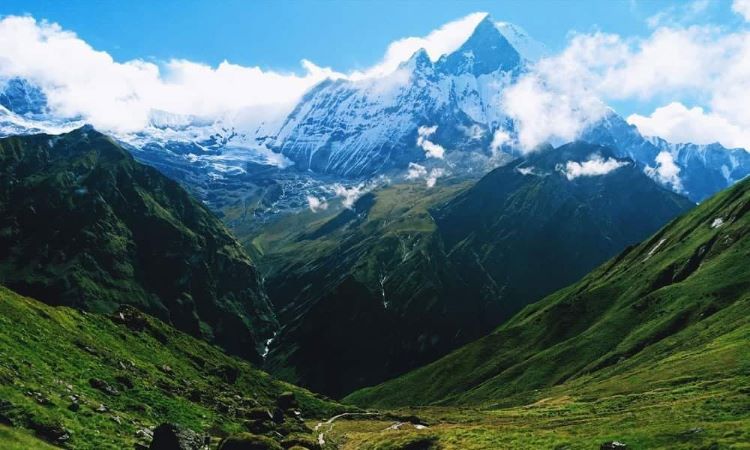
The Annapurna Base Camp Trek in July provides a very unique experience in the Himalayas with few people, tranquil routes, green surroundings, flowering forests and enchanting waterfalls.
July being the peak of Nepal’s monsoon season reveals the breathtaking natural beauty of the Annapurna region in its freshest form. It turns the area into a vibrant green paradise. Forests get thick with new vegetation, wildflowers bloom along the trails and waterfalls cascade down the hillsides making for amazing scenery throughout the trip.
July appeals to trekkers who prefer a quieter experience in the Himalayas. As opposed to the high-traffic springs and autumns, the number of tourists in July drops drastically. Thus, trekkers can enjoy the trails, teahouses and viewpoints in a calm and intimate atmosphere. Besides, fresh mountain air, mist-covered hills, and rain-filled rivers make an amazing atmosphere that cannot be seen in the dry season.
Can I Do Annapurna Base Camp in July?
The Annapurna Base Camp Trek is certainly feasible in July. The trekking trail is open and there are teahouses along the way that operate in the month of July. In addition, local trekking agencies arrange guided departures even during the monsoon period.
But it should be noted that July is the time when it rains the most in Nepal. Unlike Upper Mustang and Upper Dolpo where there is a very small chance of rainfall because of rain shadow areas, there is a considerable amount of rainfall in the Annapurna area as it is situated to the south of the Himalayas. As a result, trekkers should expect wet trails, cloudy skies, occasional landslides, and changing weather conditions.
For those travelers who prefer serene trails, scenic beauty, and the lush mountain scenery, the month of July can be a memorable one.
What is the Weather Like at Annapurna Base Camp in July?
The Annapurna Base Camp weather in July is heavily influenced by the monsoon season. The precipitation in the region is experienced in the afternoons or in the evenings, whereas morning hours are relatively sunny with clouds developing later on in the day.
Temperature conditions in the region are mild at low altitudes and cool at high altitudes.
Common temperature ranges are:
- Pokhara: 20°C to 30°C
- Chhomrong: 16°C to 24°C
- Bamboo and Dovan: 14°C to 20°C
- Deurali: 10°C to 16°C
- Annapurna Base Camp: 5°C to 12°C
Humid conditions are common in the valleys and the forest areas have a warm tropical feel. Temperatures at higher altitudes are cool and conducive to trekking, although it is cold in the evenings and mornings.
There are very few chances of snowfall in July, even at the Annapurna Base Camp.
Trail Conditions During July
The Annapurna Base Camp Trek July experience is different as the trails are affected by monsoon rainfall. Stone staircases get slippery after rainfall, parts of the forest may be muddy, and the small rivers that flow through the trail may contain extra quantity of water.
The path from Bamboo to Dovan, Himalaya, and Deurali is usually wet all day long due to the dense bamboo and rhododendron forest that receives rain continuously.
Trekking sticks and waterproof footwear are needed while trekking in the area.
But even in such wet conditions, your guides will always be checking the condition of the trail and suggest alternative paths whenever needed.
Mountain Views in July
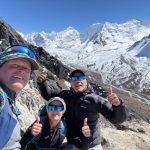
Many trekkers planning an Annapurna Base Camp in July think there are no mountain views in July. However, it is not totally correct. Clouds often cover the peaks during the afternoon. But in the morning, you can have great mountain views when the clouds have not built up yet. Also, there may be clear skies after rainfalls, which reveal the beauty of the white mountains in front of a deep blue sky.
Some mountain views that trekkers can see are:
- Annapurna I (8,091 m)
- Annapurna South (7,219 m)
- Annapurna III (7,555 m)
- Gangapurna (7,455 m)
- Machhapuchhre (Fishtail) (6,993 m)
- Singu Chuli (Fluted Peak) (6,501 m)
- Hiunchuli (6,441 m)
- Gandharva Chuli (6,248 m)
- Tent Peak (Tharpu Chuli) (5,695 m)
These clear weather windows may last only a short time, making the experience even more memorable.
Why Trek to Annapurna Base Camp in July?
Beautiful Green Scenery
The month of July makes the Annapurna Conservation Area one of the greenest places in Nepal. Hills are filled with new growth, the rice terraces prosper, and lush forests look alive due to constant rain. Everything looks totally different compared to the dry trekking months.
Spectacular Waterfalls
One of the biggest attractions of the July trek is that there are lots of waterfalls.
There are seasonal waterfalls all over the valleys, while permanent waterfalls become much larger and more powerful. The waterfalls are among the most stunning features of the monsoon trekking period.
A Peaceful and Immersive Experience
Thousands of people visit the Annapurna Base Camp Trek in spring and fall. On the contrary, July is quite a peaceful time of year. With fewer visitors, you can enjoy serene trails, uncrowded teahouses, and a more relaxing trekking experience.
Moreover, such an opportunity makes it possible to interact with the local community and teahouse owners and you will know about the people and culture of the Annapurna region in more detail.
Challenges of Trekking in July
Frequent Rainfall
One of the biggest obstacles to the Annapurna Base Camp Trek in July is the frequent heavy rain. Rainfall occurs nearly every day, and mostly during the afternoons and evenings. So, staying unwet and keeping your gear and equipment dry is a challenge.
Bringing items such as a waterproof jacket, rain pants, gaiters, a rain cover for a backpack, and dry bags will be a good idea. This lets you stay dry and helps protect your clothing, electronics and other important belongings from moisture.
Slippery Trails
In July, rainfall can cause the trails on which you walk to be wet, slippery, and muddy. Passing through stone staircases, forest trails and steep sections needs extra caution. Walking at a steady pace and wearing the right footwear with decent traction will help you avoid slipping and falls. Trekking poles will be of great use, especially during steep ascents and descents.
Leeches
The warm and humid weather of the monsoon season makes an ideal environment for leeches to thrive. This is particularly high in forested areas below approximately 2,500 meters. While a leech bite is normally harmless, it is nevertheless distracting and uncomfortable when on the trek. The use of long trekking socks, gaiters, and insect repellents can help to keep leeches at bay.
Limited Visibility
Uncertainty about the visibility in the mountains is one of the limitations of hiking in July. Due to the cloud cover, the peaks of the Himalayas tend to be obscured, especially in the afternoons.
Similarly, the mist drifts through the valleys and forests, further reducing visibility and limiting panoramic views. Mornings usually offer the clearest skies, making them the best time to enjoy the stunning Himalayan scenery before clouds begin to gather later in the day.
Landslides
The occurrence of heavy rains during the peak monsoon of July can pose a hazard of landslides, rockfalls and brief interruptions on the trails. Although these instances are rare, trekkers have to be mindful of these possible risks.
A local guide who is well-experienced makes it possible to have better plans for safety and trail condition assessment throughout the travel process.
Accommodation and Food During the Annapurna Base Camp Trek in July
It is easy to find accommodation during the Annapurna Base Camp Trek in July. Most of the teahouses remain open during the month. As this is an off-season month for trekking, there will be no problems at all in getting accommodation without prior booking. Fewer trekkers mean that the teahouse surroundings are peaceful and it is possible to have better interaction with local hosts.
The food options available in July are similar to those during the rest of the year. The teahouse’s menu has the common dishes like Dal Bhat, Fried Rice, Noodles, Soup, Momo, Pasta, Eggs, and Porridge among others. These warm and freshly prepared dishes are very soothing after the hike in the rainy weather. It is advised to eat fresh and well cooked dishes and drink boiled or filtered water to prevent any stomach problems.
Why is a Guide Vital for the July Trek to Annapurna Base Camp?
It is always advisable to have a certified guide while trekking in July. This is because of the challenging monsoon weather conditions such as floods, landslides and danger of slips and falls. Having a guide makes the trek safer as well as more comfortable.
The guide is always on the lookout for the state of the weather, condition of the trail, and any other issues that may pose a risk to the safety of the trekker. They choose alternative routes if sections of the trail become inaccessible.
The guides also talk to the locals in the area to know how the trails are currently and also manage unexpected delays caused by heavy rainfall.
Is July Suitable for Beginners to do the ABC Trek?
Beginners can do the Annapurna Base Camp in July but it needs proper planning and a realistic approach. It is a moderate Himalayan trek and the monsoon season adds extra weather and trail challenges.
Fit beginners who feel at ease with long daily walks and have proper preparation in terms of rainwear and equipment can successfully complete the trek in July. It is advisable for first-time trekkers to have a licensed guide for route decisions, weather changes and unexpected trail conditions.
Nevertheless, July might not be the best option for beginners who want to have good Himalayan views, dry trails, and easier trekking conditions. Those who have decided to do the trek in July should plan their schedule in a flexible way and be prepared for a more adventurous monsoon trekking experience.
Safety Tips for July Trekking
- Begin walking in the mornings to ensure you avoid rain showers in the afternoon.
- Always check weather forecasts while on your hike.
- Choose footwear with a good traction for walking on wet and slippery trails.
- Have your schedule be flexible to accommodate weather related delays.
- Listen carefully to your guides and teahouse owners about the trail conditions.
- Do not cross any river that is flooded or swollen.
- Get a guide who is familiar with the monsoon conditions.
- Make sure you keep your electronic devices and papers dry with the use of waterproof bags or Ziplocs.
- Do not wear cotton clothes. They soak up moisture and take a long time to dry.
- Trekking poles will be necessary for steep and wet trails.
- Pack fast-drying trekking clothes and multiple pairs of trekking socks
- Trekking gaiters are necessary to keep the dirt, moisture, and leeches out, particularly when hiking in the forests at lower elevations.
- Also pack a sun hat and sunscreen for strong sunshine.
- Use insect repellent since the leeches and bugs are common in the monsoon.
Is the Annapurna Base Camp Trek Worth Doing in July?
It all depends on what kind of experience you would like to have. Those who are looking for daily unobstructed views of the mountains may not find July to be the best time to go ABC trekking.
But if you love greenery, tranquil trekking trails, cascading waterfalls, rain drenched forests, laid back rural villages, and a serene Himalayan environment, July has it all.
The rains bring about a unique transformation in the Annapurna area which makes it a unique and vibrant place to explore. The July Annapurna Base Camp Trek is definitely a trekking adventure for those who do not mind variable weather conditions, are prepared properly and have a flexible mindset.
With good waterproof gear and planning everything carefully along with the help of your professional local guide, the July Annapurna Base Camp trek can turn out to be one of the most amazing treks in the Himalayas ever.
Speak to our local travel expert, who can assist you in planning your trip.
PLAN YOUR TRIP Friday, September 18th, 2026
Top 10 Best Trekking Operators in Kathmandu, Nepal
 Friday, September 18th, 2026
17+ Best Things to Do in Kathmandu, Nepal
 Sunday, September 6th, 2026
Annapurna Base Camp Trek from Pokhara
 Wednesday, September 2nd, 2026
Best Everest Three Pass Trek Company in Nepal
 Tuesday, September 1st, 2026
26 August 2026 Nepal-Tibet Border Flash Flood
 Tuesday, September 1st, 2026
How to Get to Everest Base Camp from Kathmandu?
 Monday, August 31st, 2026
Everest Base Camp Trek Permit, TIMS & Guide Requirements
 Thursday, May 7th, 2026
Manaslu Trek Routes Guide
 Thursday, June 11th, 2026
Is Nepal Safe for Tourists? Travel Safety Guide
 Thursday, June 11th, 2026
Spiritual Travel in Nepal: A Guide for Seekers
 Monday, April 27th, 2026
Manaslu Trek Booking with Tour Guide Vs Agency
 Sunday, April 19th, 2026
10 Reasons You Should Hike Annapurna Circuit
 Thursday, April 16th, 2026
How to Choose Best Annapurna base Camp Trek Agency
 Tuesday, July 7th, 2026