


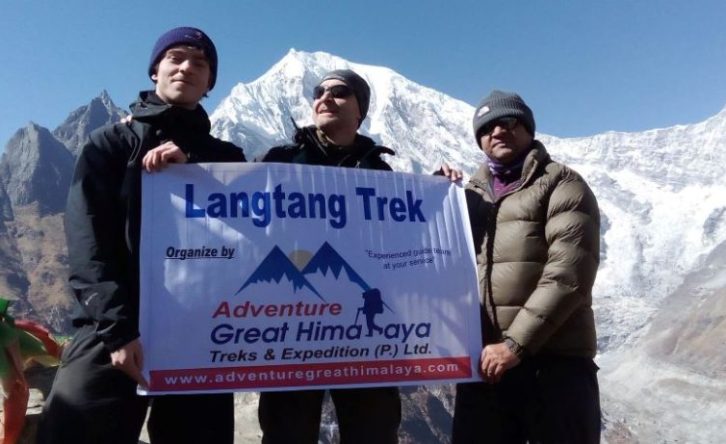
Langtang Valley Trek In Jun
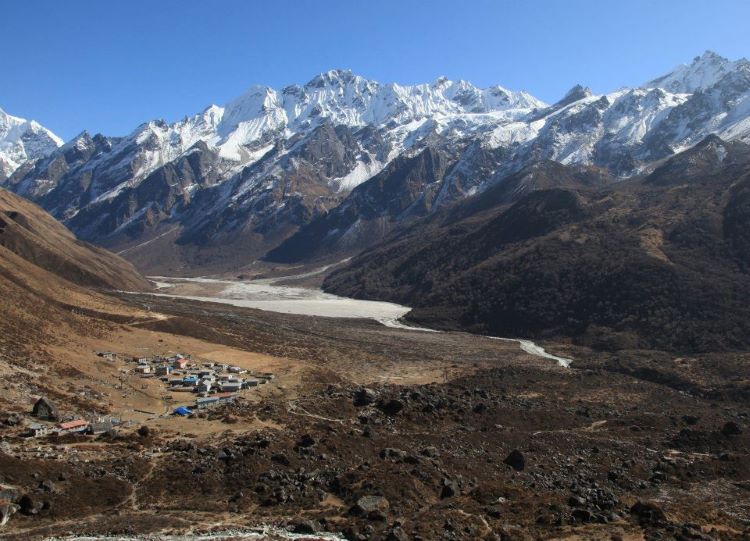
The Langtang Valley Trek in June is a quiet and refreshing journey to the himalayas. Since this is the transitional period between spring and monsoon, the vegetation turns lush green. This adds radiance to the trekking trails. It also brings opportunities to spot rare wildlife and birds of the region, as they remain active around this time.
The Langtang Valley trekking routes in June are easy to access. This is because this month receives occasional rainfall rather than continuous downpours. While trails may get slippery, it is easily manageable with sturdy trekking boots and poles. Moreover, they quickly become dry and firm once the rain stops given the warm temperature.
The primary highlight of the Langtang Valley Trek in June is the quiet experience. Fewer trekkers opt for this journey compared to the peak trekking seasons. This brings out a relaxed and peaceful experience that feels more personal. Furthermore, it has better availability of teahouses, removing the need for advanced booking like in the peak trekking seasons.
Langtang Valley Trek Weather And Temperature In June
This month acts as a transitional period from spring to early monsoon. It brings lush greenery and vibrant wildflowers. Even though the weather is generally stable enough for the Langtang trekking in June, proper preparation is required.
The daytime temperature in lower elevations, like Syabrubesi, is about 18°C to 25°C. As the trail ascends towards the valley, it gradually drops to 10°C to 15°C. Meanwhile, the early morning and night temperatures decrease, averaging 5°C or a bit lower. Hence, June offers a comfortable trekking environment.
Rainfall is light to moderate at the beginning of the month, but as it progresses, the monsoon influence becomes stronger. Similarly, the lowlands receive more prolonged and heavier precipitation. On the other hand, the highlands experience lighter and less frequent rainfall. The air is cooler after a shower, and the forest trails become humid and slippery. Therefore, with waterproof and windproof gear and boots with good grip, the trek is easily manageable.
Langtang Trek Recommended Package
Langtang Valley Trek Difficulty In June
The trek to Langtang Valley is considered moderately difficult. However, in mid to late June, it can be slightly more difficult due to monsoon conditions. In this month, the primary factor adding to the challenges is the wet stone steps and muddy trails. Additionally, humidity and warmth can result in quicker fatigue. So, consume meals full of carbohydrates that provide energy for longer hours.
Similarly, dark clouds in the afternoon reduce the visibility, impacting the navigation, and also obstructing the panoramic views. There is a possibility of river and stream swelling, which can make river crossing more difficult.
Furthermore, the most common concern in the Langtang Trek in June is landslides and rockfalls, especially in areas between Syabrubesi and Lama Hotel. However, the higher sections around Kyanjin Ri have minimal chances of landslides.
Trail Conditions In June
In June, the Langtang Valley trekking route from the lower to the middle zone can be slippery and wet due to rainfall. Additionally, the trekking route from Syabrubesi to Lama Hotel consists of dense jungle, so the humidity and rain combined turn the paths muddy.
Likewise, several sections of the trek feature stone steps. In June, they can become slick, especially near the forest regions. So, trekkers should wear water-resistant boots with a good grip and take the help of trekking poles or sticks to improve stability. As the trek continues to ascend, the trails open into alpine meadows, glacial valleys, and beautiful yak pastures.
Generally, the higher region trails are less affected by the rainfall in this month. However, dark clouds can still hover around, covering the sweeping views. These sections contain steep and exposed slopes, so careful footing is required.
Altitude And Acclimatization Strategy
The maximum elevation of the trek is 4,773 meters at Kyanjin Ri. Generally, the Langtang Valley trek has a moderate threat of Acute Mountain Sickness (AMS). Therefore, acclimatization days are important before heading to higher altitudes, especially above 3,500 meters.
June has long daylight hours, allowing trekkers to maintain a slow and steady walking pace. This decreases the risk of early AMS, such as headache, fatigue, and nausea. It is recommended to start the trek early in the morning to avoid the dark afternoon clouds.
Furthermore, in case of minor to mild altitude sickness, descend and take rest until your body feels stable. If the symptoms worsen, then seek medical treatment. In severe cases like High-Altitude Pulmonary Edema and High-Altitude Cerebral Edema, manage emergency helicopter evacuation.
Similarly, increased humidity and warm temperatures in the lower regions can cause dehydration. While dehydration does not cause AMS directly. However, it can amplify the symptoms. Therefore, stay hydrated and carry your own water bottles and purification tablets. Additionally, take electrolyte supplements for an instant boost of hydration.
Langtang Valley Flora And Fauna In June
Flora
The trek goes through the Langtang National Park, which is home to numerous types of vegetation. In June, they are at their greenest and most vibrant form thanks to the continuous rainfall. The lower region has oak, maple, and pine forests. Similarly, the middle zone is adorned with various wildflowers with striking bright colors. Some of them are Primulas, Orchids, Primroses, Rhododendrons, and many others.
In June, alpine meadows and pastures in the higher regions grow hardy shrubs and grasses. Additionally, the Langtang Valley is rich in medicinal plants and herbs, and they remain prevalent around this time. For example, Jatamansi (Spikenard), Rhodiola, Bergenia, etc. Parts of these plants, like leaves and roots, are used by the local communities to make traditional health remedies.
Fauna
The Langtang Valley Trek in June is one of the best choices to spot wild animals in their natural habitats. This is because the wildlife is active this month because of the ample vegetation. In the lowlands, trekkers may see Langur monkeys, Deer, Himalayan squirrels, and Wild boar (occasionally).
Likewise, in the higher alpine zones, mammals like Pikas and Marmots can be spotted. These animals are more active during mornings and late afternoons and are a bit difficult to sight in rainy hours. Furthermore, June is an excellent time for birdwatching in the Langtang region, as bird activity is particularly high in this month. The most frequently sighted birds include Himalayan monals (danphe), eagles, vultures, and blood pheasants.
Culture And Tradition During The Langtang Valley Trek
Trekkers pass through small Tamang and Sherpa villages. They practice Buddhism and have a simple lifestyle and are known for their traditional music and dance. For example, Tamang Selo is a lively folk music style featuring drums (damphu), jhyalis, and tungnas. Similarly, folk dance, like Tamang Ghyang, is performed with folk songs in a circle. Even in June, the villagers may sing these songs and showcase this dance during community gatherings and household celebrations.
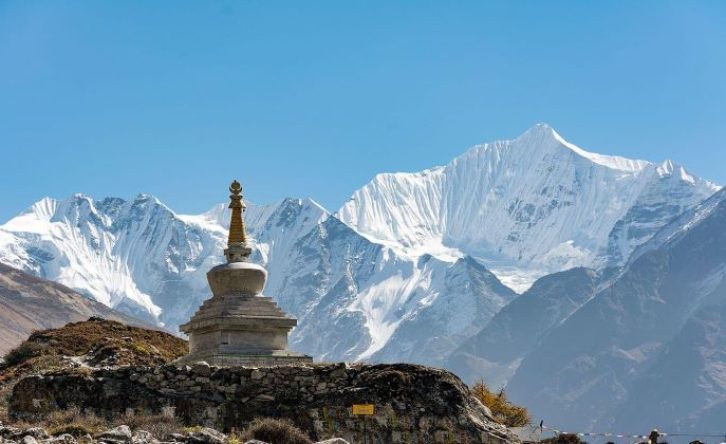
The Langtang trek trails are decorated with various cultural symbols. Namely, mani walls, chortens, prayer flags, and stone stupas. A major heritage highlight of the trek is visiting the monasteries (gompas) along the way. Specifically, trekkers can visit Kyanjin Gompa and the Langtang village monastery, among other smaller ones. While June does not have any major festivals or ceremonies, the locals and monks perform morning prayer, light butter lamps, and present offerings. Furthermore, there can be occasional small ceremonies for protection, harvest, and receiving blessings.
Suggestions
- Carry waterproof trekking jackets, pants, and quick-dry inner layers.
- Wear sturdy boots that provide extra ankle support.
- Bring anti-mosquito and insect repellent.
- Use trekking poles and sticks to avoid tripping and falling.
- Start early in the morning to bypass afternoon clouds and rain.
- Leeches are prevalent in the lower regions during and after the rain, so carry anti-leech lotion.
- Take a Ziploc bag to store documents and other essentials safely.
- Hire a licensed trekking guide for better trail navigation.
- Stay hydrated and eat freshly cooked meals. Avoid consuming meat and raw foods.
- Make sure to check the weather forecast before hitting the trails.
- Never cross the swollen rivers without proper guidance.
- Do not refill your bottles from taps and streams. They may be contaminated.
- Carry a navigation device, like a compass, a map, or a GPS device.
- Maintain a slow pace and gain elevation gradually.
- Pack a first-aid box with pain relief sprays, tablets, and AMS medicines, like Diamox (consult with your doctor first).
- Wear UV protection, lip balm, and a hat.
- Include extra days to allow extra time for bad weather and slow trekking days.
- Stay alert for possible landslides and rockfalls.
Speak to our local travel expert, who can assist you in planning your trip.
PLAN YOUR TRIP OR
Chat via WhatsApp
 Tuesday, January 27th, 2026
Langtang Valley Trek In Jun
 Tuesday, January 20th, 2026
Best Treks In Nepal In February
 Sunday, January 18th, 2026
Langtang Trek In July
 Wednesday, December 31st, 2025
Manaslu Circuit Trek Distance
 Thursday, November 27th, 2025
Mardi Himal Trek Guide- Itinerary & Price
 Wednesday, November 26th, 2025
How Hard is the Mardi Himal Trek?
 Friday, November 21st, 2025
Travel Insurance For Everest Base Camp Trek
Wednesday, December 31st, 2025
Manaslu Circuit Trek Distance
Tuesday, January 20th, 2026
Best Treks In Nepal In February
Tuesday, January 27th, 2026
Langtang Valley Trek In Jun
Sunday, January 18th, 2026
Langtang Trek In July
Friday, November 21st, 2025
Travel Insurance For Everest Base Camp Trek
Thursday, November 27th, 2025
Mardi Himal Trek Guide- Itinerary & Price
Wednesday, November 26th, 2025