

When is the Best Month to Trek Everest Three High Passes?
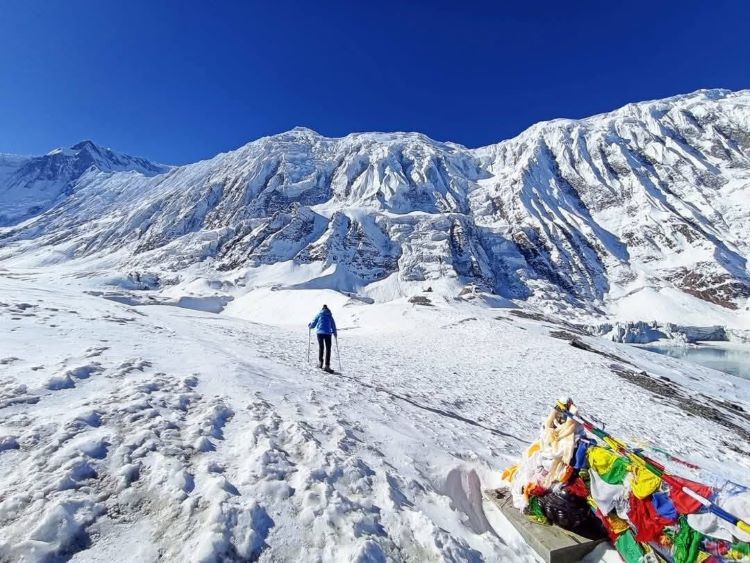
The best months to trek the Everest Three Passes are September, October and November in autumn, and March, April, and May in spring. The Everest Three High Passes trek is among the most fascinating and challenging treks in Nepal. It involves crossing three high mountain passes: Kongma La (5,535 m), Cho La (5,420 m) and Renjo La (5,360 m). So, trekking in ideal seasons is highly recommended for a secure adventure.
Spring and Autumn months are highly recommended by experts as the best times to trek. These periods offer stable weather, stunning mountain views and comfortable temperatures that ensure you a delightful trekking experience without any kind of disruptions because of weather-related issues.
During the peak trekking spring and autumn months, trekkers can experience clear skies, great visibility and favorable trail conditions. Autumn presents lush greenery at lower valleys, mild weather and the clearest mountain views. Spring is also an exciting time, with warm temperatures and blooming landscapes along the way that add charm to the trail.
Selecting the right month for trekking rewards you with incredible mountain views, well-maintained and safe trekking paths and an enjoyable trekking experience, letting you cross the high passes smoothly so that you can ensure an unforgettable adventure in the Himalayas.
Understanding Everest Three Passes Trek Seasons
Spring (March to May)
Spring is the best season of the year for the Everest Three Passes trek. During the spring months, the weather gets warmer after the cold winter rewarding you with comfortable daytime navigation. The trekking paths are also well maintained and stable.
The daytime temperatures at lower altitudes in spring can range between 10°C to 20°C. At higher sections, it drops below -10°C.
At this time, the Himalayan landscapes are vibrant with blooming rhododendron flowers. Also, the comfortable temperatures and incredible surrounding scenery make this time ideal for trekkers looking for a favourable time for the Everest Three High Passes Trekking.
Autumn (September to November)
Autumn is known as the best time for the Everest Three Passes Trek because of favorable weather, clear mountain views, and deep blue skies. After the monsoon rains, the autumn air is clean and fresh, which offers clear sights of Everest and other surrounding peaks.
The paths are dry, temperatures are comfortable and weather is calm. So, it is also considered the perfect time for crossing high-altitude passes. The daytime temperature at lower sections in autumn ranges between 10°C and 20°C, while at the upper section it can drop up to -10 °C.
In this season, there is very little likelihood of weather related issues interrupting the trek. So, you can complete this exhilarating Everest Three High Passes adventure smoothly without any kind of disruptions.
Monsoon/Summer (June to August)
Nepal experiences heavy rains in the monsoon season. So, trekking at this time is a bit difficult. The cloudy skies, muddy and slippery paths, and flight delays to Lukla can affect your journey. In addition, there are leeches in forested sections that can also make the journey uncomfortable.
This season gets fewer crowds, which means the atmosphere is serene. Also, the scenery is lush and clear days treat you to the most distinct mountain views. However, challenges presented by this season are a real concern.
Frequent rainfall can make river crossings more difficult. In addition, there can also be a risk of landslides in lower elevations. Furthermore, monsoon haze can reduce visibility at higher altitudes which can make the three passes trek more demanding. That’s why it is the least favoured time for the Everest Three High Passes trek.
During monsoon/ summer, the daytime weather at the lower section is warm and temperatures can range from 12°C to 25°C. Higher in the Khumbu region, the temperatures can drop up to -5°C.
Winter (December to February)
Winter trekking offers tranquil routes and picturesque snow capped mountains with fewer crowds. However, winter months are extremely cold especially in upper areas. The high-altitude sections and the Everest Three High Passes can be hard to cross or even inaccessible due to heavy snowfall.
Moreover, handling the winter cold of the Himalayas may not be suitable for all. Daylight hours in winter are short. So trekkers should be prepared for it. Furthermore, the heavy snow and low visibility because of fog can affect the trekking experience and lead to delays.
The Everest region’s temperatures at lower section can range between 0°C to 5 °C in the lower sections. At upper areas, near Everest Base Camp, Three High Passes and Gokyo Lake, it gets much colder, with temperatures ranging between -15 °C and -25°C.
Warm layers, proper preparation, and real time weather and trail monitoring are essential for a smooth journey in the Himalayas.
The weather at this time is cold and trails are icy, snow-covered and often unpredictable. So, this time is considered off-season and usually only suited for expert trekkers who are familiar with the challenges and have the idea to tackle the Everest Three Passes trek difficulty.
Best Months of Trek Everest Three Passes Trek (Autumn and Spring)
September
September marks the start of the autumn trekking season in the Everest region. There can still be some rainfall in early September, mainly at the lower altitude. So, the paths at this time might be slightly wet and muddy.
However, after mid to late September, the weather conditions gradually improve. The skies turn clearer, trails start to dry out, snowy peaks become more visible and trekking conditions become more favourable.
Though there is a likelihood of occasional rain showers, this month offers a good balance of mild temperatures, fresh air and improving conditions, making it a good time for the Everest Three Passes trek for well prepared adventurers.
October
The month of October is widely considered to be the best month for the Everest Three Passes trek. The weather during this month is stable with moderate temperatures and clear skies.
By October, the effects of the monsoon mostly fade away. So, the paths are firm and dry. The visibility is also great. So, it is considered an ideal time for crossing the three passes of the Khumbu region.
During the day, the temperature remains pleasant. The nights at higher sections can be cold but are manageable with the right layering. The well-maintained trails and pleasant weather and great visibility make this time favourable for the Everest Three Passes trekking.
November
The month of November offers excellent trekking conditions with clear visibility. The likelihood of rainfall is rare during this month. So, the paths are mostly dry and well maintained which makes the exploration experience truly joyful.
November is the last autumn month and marks the transition towards winter. So, the weather gradually becomes colder, particularly by the end of the month, especially after reaching altitudes above 4,000 meters.
Heavy snowfall is not common in the early days of November. However, there can be snow at higher sections during the later part of November. So, being careful while navigating is essential.
However, in general this month is ideal for those seeking incredible photography opportunities and stunning views of snowy ranges under vivid skies.
March
In March, the Everest region slowly transitions from winter to the spring season. The paths at the lower part of the Khumbu region are generally clear and easy to walk.
The higher trails can have lingering winter snow and ice patches especially in the first half of the month. However, as the month progresses, trail conditions begin to improve.
The rise in daytime temperatures melts the snow at higher altitudes. So, navigation is manageable with proper caution. As there can be icy and snowy patches at the three passes and other higher sections, carrying microspikes can help you navigate such sections smoothly.
March is also the first spring month. At this time, rhododendrons and other colorful wildflowers start to bloom, forests and hillsides look more charming which makes navigation captivating.
In addition to the picturesque landscape, March offers longer daylight hours and a relatively stable climate than the winter period. So, trekkers will get more time to trek each day under clear skies, get rewarded with sharp mountain views and also immerse themselves in the fresh mountain environment of this early spring month.
April
The month of April is considered one of the best times to undertake the Three Passes Trek. This is because the weather at this time is stable and trekking paths are dry. In April, the snow from winter melts down at most of the sections. So, higher sections and passes are easily accessible and navigation is also more comfortable.
In this second spring month, you will be rewarded with beautiful spring scenery with blooming rhododendrons. The temperature at this time is also warm. Days are sunny and days are long, which lets you explore and admire the surrounding scenery at a leisurely pace.
The skies are generally clear mountain views are sharp. Though there might be some cloud formation in the afternoons, the amount of rainfall is less and the weather is mostly calm.
Overall, April is an excellent time to cross high passes of the Everest region because of the favourable weather, well-defined trails and unparalleled visibility.
May
May is also a good time for the Everest Three Passes Trek, especially during the first half of the month. The trekking paths in this month are mostly dry, weather is also warm and trails are relatively tranquil compared to April.
As the month progresses, pre-monsoon begins to set in. The afternoon becomes cloudier and the humidity level goes up. There may be some rainfall at the end of the month, especially in the lower areas. So, having rain gear is necessary.
One of the major highlights of trekking in May is the long daylight hours, which provide enough time to cover the daily trekking distance comfortably. You can also see the rhododendrons in lower elevations. The scenery of blooming flowers looks amazing against the backdrop of the snowy peaks.
This last spring month is also one of the favoured times to join the Everest Three High Passes trek mainly because of serene paths and relatively warmer weather. With proper preparation and weather monitoring, the journey in the Everest region in the month of May can be truly rejuvenating.
Best Month for Everest Three Passes Trek Based on Your Trekking Goals
You can select best month for Everest Three Passes Trek based on your trekking goals. For those looking for the most stable weather, October is the best month because of clear skies and well maintained trails.
If photography is what you are looking for, November is the best month. This last autumn month offers you sharp views of the snowy ranges as the air is crisp and visibility is great. So, you can take stunning snaps.
The ideal month for colorful scenery and most favourable trekking paths would be April. In this month, rhododendrons and other wildflowers bloom in the region and trails are also dry, which lets trekkers traverse smoothly.
May is perfect for trekkers who do not mind occasional light showers and cloud cover, mainly at later half and prefer warmer weather, comfortable temperatures, and blooming alpine flowers
The month of September can be a good time for trekkers who prefer a serene atmosphere, lush scenery and the charm of the transition month. March marks the start of the spring trekking season. This month is perfect for trekkers who wish to see the charm of the early spring season in the Himalayas and want to explore the Everest region when the atmosphere is more tranquil.
Each trekking season presents something special. The “best” month varies for each individual based on what you value the most like ideal weather conditions, fewer crowds, vibrant scenery, warm weather or adventure. You can have an enjoyable experience by selecting the month that matches your trekking goals and expectations.
Tips for a Smooth Everest Three Passes
- Choose the ideal and highly recommended seasons for trekking.
- Pack layered clothes and good-quality trekking boots.
- Have extra days in your itinerary.
- Book a trek package early especially if you want to join the trek in peak seasons.
- Make sure to pack rain gear.
- Check the weather forecast. Head out only after guides confirm that trails are in good condition.
- Follow your guide’s advice. Walk only through designated paths.
Speak to our local travel expert, who can assist you in planning your trip.
PLAN YOUR TRIP Friday, September 18th, 2026
Top 10 Best Trekking Operators in Kathmandu, Nepal
 Friday, September 18th, 2026
17+ Best Things to Do in Kathmandu, Nepal
 Sunday, September 6th, 2026
Annapurna Base Camp Trek from Pokhara
 Wednesday, September 2nd, 2026
Best Everest Three Pass Trek Company in Nepal
 Tuesday, September 1st, 2026
26 August 2026 Nepal-Tibet Border Flash Flood
 Tuesday, September 1st, 2026
How to Get to Everest Base Camp from Kathmandu?
 Monday, August 31st, 2026
Everest Base Camp Trek Permit, TIMS & Guide Requirements
 Thursday, May 7th, 2026
Manaslu Trek Routes Guide
 Thursday, June 11th, 2026
Is Nepal Safe for Tourists? Travel Safety Guide
 Thursday, June 11th, 2026
Spiritual Travel in Nepal: A Guide for Seekers
 Monday, April 27th, 2026
Manaslu Trek Booking with Tour Guide Vs Agency
 Sunday, April 19th, 2026
10 Reasons You Should Hike Annapurna Circuit
 Thursday, April 16th, 2026
How to Choose Best Annapurna base Camp Trek Agency
 Tuesday, July 7th, 2026