


Best Treks In Nepal In February
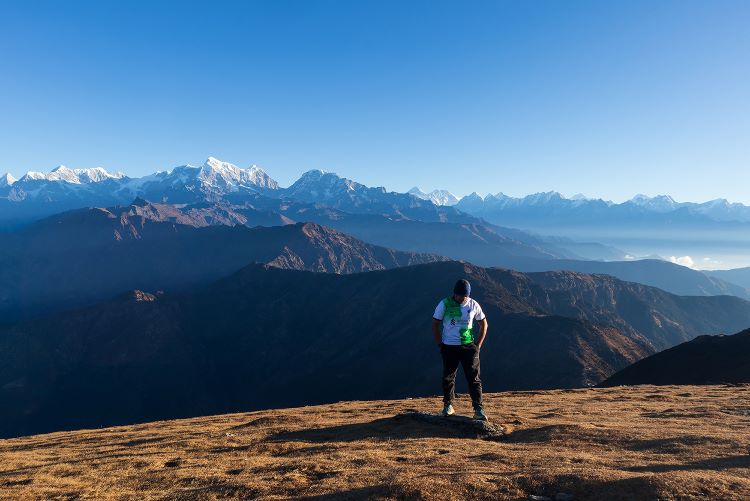
February is the last month of the winter season and has cold weather and lingering snow in the higher regions. So, high-altitude journeys, like the Everest Base Camp Trek, are slightly more challenging. However, they are possible with physical preparation, proper acclimatization, and a local licensed guide.
Moreover, trekking in Nepal in February is best for the low-altitude routes. Generally, the skies are crystal clear, showcasing a spectacular view of snow-covered mountains. Additionally, the trails are not as crowded as in the peak seasons. this period offers some of the best visibility of the year. This makes it an ideal time for photography enthusiasts.
The lower and mid regions offer pleasantly cool trekking temperatures. However, above 3,500 meters, it drops significantly, so it is important to wear insulated trekking gear to stay protected from the cold. With that, here is a brief description of the top five treks in Nepal in February.
Ghorepani Poon Hill Trek
Ghorepani Poon Hill is, without a doubt, one of the best winter treks in Nepal. It is known for the panoramic mountain views and traditional villages. The maximum elevation reaches up to 3,210 meters, which is significantly lower than the classic mountain treks. Hence, it has a lesser threat of Acute Mountain Sickness in February compared to the high-altitude journey like the Everest three passes trek.
Additionally, the Ghorepani Poon Hill Trekin this month has low chances of natural hazards, making it one of the best treks in Nepal in February. Even in February, the average daytime temperature during the trek is around 12°C. Therefore, long walking hours are manageable. Furthermore, frostbite and hypothermia are less likely.
Similarly, the snowfall is usually light in February, reducing the chances of trail blockage due to snow accumulation. The stone steps and forest trails may have occasional snow patches. But this does not reduce Ghorpani Poon Hill’s accessibility.
Langtang Valley Trek
Another trek that offers the best trekking in Nepal in February is the Langtang Valley Trek. It is one of the nearest mountainous treks from Kathmandu. The maximum elevation of the journey is at Kyanjin Ri at 4,773 meters. Snowfall during February is limited around the upper sections, while the lower sections (Syabrubesi to Lama Hotel) mostly remain clear. Similarly, the Langtang Valley trails in February are serene, which makes the teahouse hospitality feel more personal. The sweeping views are exceptional around this time, given the crisp and clear air. Therefore, trekkers can see the peaks, like Ganesh, Dorje Lakpa, and Langshisa Ri.
Although animal sightings are less frequent in this month, they are not entirely absent. So, trekkers may spot Himalayan Tahr, Yaks, and Langur Monkeys. Furthermore, the Langtang Valley trek in February offers pleasant trekking temperatures in the lower regions.
However, snow and frost are common in the higher regions, requiring warm gear. There is a very minimal risk of natural disasters this month, but be cautious around the exposed ridges, especially after fresh snow.
Mardi Himal Trek
The Mardi Himal Trek in February is ideal if you want clear mountain views while avoiding the peak season’s rush and congestion. This trek ascends slightly higher than Langtang and Ghorepani, as it reaches 4,300 meters at the Mardi base camp.
February brings light to moderate snowfall above 3,500 meters in the Mardi Himal trek. This may cause the trails to be slippery, so be cautious. Wear insulated, sturdy trekking boots and waterproof and windproof clothes. Similarly, the lower to mid regions usually have light frost and sparse patches of snow.
The visibility in this month is generally good, allowing pristine views of the landscapes. Similarly, even in the highlands, when it is not snowing, the atmosphere is crisp and clear, offering a sharp panoramic view of the himalayas. Therefore, a February Mardi himal trek allows trekkers to see Mount Annapurna South, Hiunchuli, Gangapurna, Langtang Lirung (on clear days), and an up-close sight of Macchapuchhre (Fishtail).
Jomsom Muktinath Trek
It is one of the most fulfilling short treks of the Annapurna region of Nepal. As it reaches the highest elevation of 3,800 meters, February temperatures are milder than in the high-altitude treks. Therefore, it is a good alternative to enjoying snow-capped mountains without extreme cold.
A major highlight of the Jomsom Muktinath Trek is the sacred Muktinath temple. Even though there are no major occasions in February, the temple’s cultural importance remains year-round. Hence, this trek provides a perfect blend of visual and spiritual experience.
The Jomsom Muktinath trek is one of the best treks in Nepal in February. It offers clear blue skies, comfortable trekking temperatures, and excellent visibility. Additionally, the lower to mid-regions (Marpha, Kagbeni) stay free from snow. While the higher sections receive light snowfall. Furthermore, a February Jomsom Muktinath trek presents firm trails, unlike high mountain journeys.
Even though temperatures during the day are manageable, the nighttime temperature can drop below freezing, especially around Jomsom. Therefore, make sure to pack warm and insulating trekking clothes.
Everest View Trek
The Everest View Trek in February remains at the top for an alternative journey to see the majestic Mt. Everest without the altitude and extremely cold weather conditions. Additionally, this month brings outstanding panoramic views of several other mountains, such as Lhotse, Nuptse, Thamseru, and Katenga.
There is a possibility of snowfall around Namche (3,440 meters) in February. However, the trekking paths remain walkable. It has a clear and dry atmosphere, offering excellent visibility. But Lukla flight delays or suspensions can still occur due to bad weather conditions.
Since it is an off-trekking month, the villages like Namche Bazaar and Khumjung feel more relaxed and authentic. In conclusion, the Everest View Trek is one of the best February treks in Nepal. This is because of the sharp himalaya views, fewer crowds, and its low altitude range.
Pikey Peak Trek
Pikey Peak Trek is also one of the best treks to do in February. It is a popular 5–6 day trek in the Lower Everest region. The trek offers a perfect blend of Mount Everest views, several other Himalayan peaks, and authentic local Sherpa culture.
The trek starts from Dhap, which is about an 8–9 hour drive from Kathmandu. The Pikey Peak viewpoint (4,500 m altitude) is the main highlight of this trek, offering excellent panoramic views of Mount Everest. The lodges are not as fancy as those on the Annapurna Base Camp or Everest Base Camp treks; however, they are quite comfortable, with twin beds, mattresses, pillows, and basic amenities.
Additional Treks
Khopra danda
It is another suitable short trek that can be completed in February. It lies in the Annapurna region and passes through traditional villages. The maximum elevation of the Khopra Danda Trek is 3,660 meters so the temperature does not drop extremely low. Trekkers can see various mountain peaks from the viewpoint. Namely, Nilgiri himal, the Macchapuchre himal, and the Annapurna massif.
Tamang Heritage
The Tamang Heritage Trek is about 6 days long and is often done as an extension of the Langtang Valley trek. It offers a good blend of culture, views, and quiet trails. Additionally, there are chances of light snowfall in the higher regions, but trails generally remain good and walkable. Therefore, the Tamang heritage trek in February is a suitable option for a winter endeavor.
Chisapani Nagarkot
It is an excellent short trek consisting of nature walks and mountain views. Namely, the Dorje Lakpa, Ganesh, Langtang, and the far-sighted view of Everest. Additionally, it reaches a maximum height of 2,300 meters at the Chisapnani hill station. Therefore, the temperature does not drop extremely low. It starts from Sundarijal, which is just a one-hour drive away from Kathmandu.
Furthermore, snowfall is very rare or nonexistent, so the trails remain dry and firm. Hence, the Chisapani Nagarkot remains at the top for those seeking the best trek in Nepal in February. It is a snow-safe journey filled with nature, clear mountain views, wildlife, and golden sunset and sunrise views.
Tips For February Treks In Nepal
- Dress in layers, and wear a thermal base and a windproof and waterproof jacket.
- Hire a licensed trekking guide for better trail navigation and improved safety.
- Stay hydrated. Carry your own water bottle or small thermoflask.
- Take a map, compass, or an offline GPS.
- Check the trail conditions every day before starting the trek.
- Maintain a slow and steady walking speed.
- It is better to start the trek after sunrise. Especially in the higher elevations to avoid morning frost or fog.
- Keep a few buffer days and a flexible itinerary so that you can manage weather delays.
- Wear gloves, warm socks, gaiters, and beanies to protect from the cold.
- As the days in february have short daylight hours, take a headlamp for early morning and evening walks.
- Be careful with footings on the icy and snowy routes to avoid tripping and falling.
- During snowfall, it is better to pause trekking until the weather clears again.
- Cold affects batteries. Therefore, carry power banks and charging supplies.
- Have carbohydrate and energy-enriched meals.
- Carry a first-aid box with pain relief spray or tablets, blister tape or moleskin, and prescription medications.
- Check the weather forecast before starting the trek.
Speak to our local travel expert, who can assist you in planning your trip.
PLAN YOUR TRIP Tuesday, January 27th, 2026
Langtang Valley Trek In Jun
 Tuesday, January 20th, 2026
Best Treks In Nepal In February
 Sunday, January 18th, 2026
Langtang Trek In July
 Wednesday, December 31st, 2025
Manaslu Circuit Trek Distance
 Thursday, November 27th, 2025
Mardi Himal Trek Guide- Itinerary & Price
 Wednesday, November 26th, 2025
How Hard is the Mardi Himal Trek?
 Friday, November 21st, 2025
Travel Insurance For Everest Base Camp Trek
Wednesday, December 31st, 2025
Manaslu Circuit Trek Distance
Tuesday, January 20th, 2026
Best Treks In Nepal In February
Tuesday, January 27th, 2026
Langtang Valley Trek In Jun
Sunday, January 18th, 2026
Langtang Trek In July
Friday, November 21st, 2025
Travel Insurance For Everest Base Camp Trek
Thursday, November 27th, 2025
Mardi Himal Trek Guide- Itinerary & Price
Wednesday, November 26th, 2025