

Langtang Trek In July
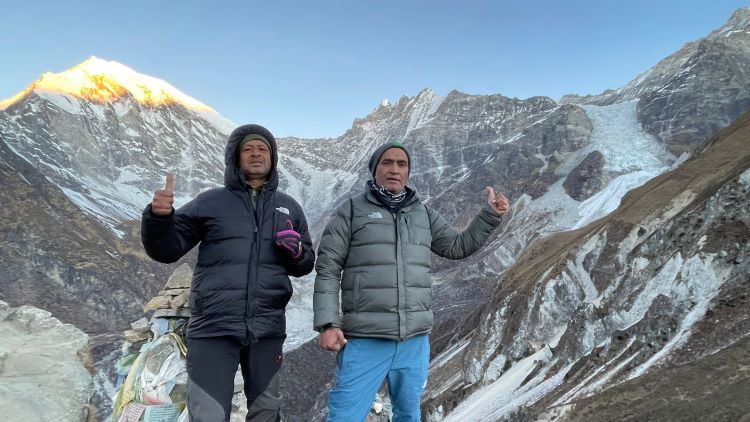
July in Nepal is conventionally regarded as “non-trekking season.” The monsoon rains that sweep through the hills create muddy trails, clouds roll in without notice and leeches start to appear. The weather forecasts feel unreliable, mountain views are not guaranteed, and a lot of the usual trekking routes are left deserted as travelers wait for autumn.
Nonetheless, the Langtang Trek in July still attracts a quite different category of trekkers. They are the ones who prefer the less crowded trail, the pleasant atmosphere and the thrilling experience to the anticipated one.
During the month of July, Langtang Valley is vibrant with verdant woods teeming with fauna and flora, cascading waterfalls down the cliffs, foggy valleys that feel cinematic and peaceful hamlets with only a few visitors passing through.
The rain in this month modifies the path, nourishes the greens, deepens the silence, and creates a mood and movement around the mountains that generally fair-weather trekking does not deliver. The reward on each clear morning is the stunning view that breaks through the clouds.
If you are adventurous, love the monsoon rain or someone looking for something real, captivating, and untamed, the July trek to Langtang Valley is hugely surprisingly rewarding. It’s like stepping into the rhythm of the Himalayas at their most magical and dynamic state.
Langtang Weather in July: What to Expect
Langtang weather in July is important to understand before the trek. This month doesn’t offer predictable, blue-sky trekking days. Rather, it gives an atmosphere, intensity, and a landscape that is always changing.
Temperature: Mild, Manageable and Trekking Friendly
Despite being the peak of summer temperatures along the Langtang Valley Trek in July remain comfortable. It is common for daytime temperatures in lower places to be between 15 and 22 degrees Celsius. This is perfect for hiking without the fatigue that extreme heat causes.
As you go up the mountain, the temperature gradually falls especially after passing the Lama Hotel and the Langtang Village. The nighttime temperature for places like Kyanjin Gompa tends to range from 5 to 10 degrees Celsius, cool but not freezing.
Cloud cover caused by the monsoon is actually a plus here since it protects you from harsh sun rays. This makes long trekking days more manageable than in drier, high-UV seasons.
Rainfall: Predictable in Pattern, Not in Intensity
The monsoon season in Langtang peaks in July. Rain is an everyday event but it is not an all-day one. Rain showers can differ greatly in intensity. While some days the rain is just a light mist, others see heavy downpours that stop after a few hours.
Expect daily rain which will mostly come in the afternoon or evening. Mornings are usually the clearest, calmest, and most stable. This is the time when hiking is most recommended. Trekkers who set out before 7 a.m. usually get to see the clear sky, enjoy better visibility, and be safer on the trail.
Visibility: Fleeting, Moody, and Rewarding
Visibility in July is intermittent rather than absent. Cloud cover is normal and can quickly move over the valley. Long, uninterrupted mountain views are hardly ever seen. Nonetheless, when the skies clear, even for a very short time, the scenery is spectacular, close-up, and cinematic.
The white-topped mountains get hidden and revealed with the passing fog, the glacier fields become visible only in parts, and the valleys feel layered rather than exposed. These moments are often perceived by photographers as being moodier and dramatic than static, clear-sky views.
A Reality Check for July Trekkers
A trek in July through the Langtang region is not going to offer the picture-perfect postcard views. If your main purpose is a consistent, crystal-clear view of the mountains, then spring or autumn months will be a better choice for you.
But if you are looking for an experience that is full of immersion, mood, solitude, and raw Himalayan character, then the best Langtang Trek in July gives you all. It greatly rewards challenge seeking, patient and early rising trekkers.
Is the Langtang Valley Trek in July Safe?
With the right training, preparation and awareness, the Langtang Trek in July is generally safe. Nevertheless, all monsoon treks in the Himalayas come with a risk that should not be neglected by the hikers. Rather, they should be thoroughly understood and planned for.
Potential Risks to Be Aware Of
- The rain that occurs frequently makes the stone steps, forest paths, and river crossings slippery, muddy and difficult.
- There is a high chance of landslides after heavy rain, especially on hills where the roads or trails have been cut through.
- Leeches are very common in the warm and wet regions below the Lama Hotel. But they are mostly harmless and also manageable with the right kind of gear.
- Heavy rain sometimes leads to the slowing down or interrupting the drive between Kathmandu and Syabrubesi.
Why is Langtang Safer in July?
- No domestic flights involved. Road access from Kathmandu eliminates weather-related flight cancellations.
- Closer distances between the villages limit the time of exposure on the trail.
- The maximum altitude is less than that of Everest or Annapurna Treks. So, the altitude-related risks are fewer.
- The teahouse network is very well established, providing you with shelter, food, and flexibility if plans change.
Risk Mitigation Tip
Hire an experienced local guide who is able to interpret the trail conditions, the weather and the good timing much better than the most accurate weather app. He will be able to reroute if necessary, adjust the trekking hours when it’s unlikely to be affected by heavy rains and make timely decisions. This can very much improve both the safety and the enjoyment of the trip.
Besides, it is advisable to start each day early and finish trekking by mid-afternoon. This is because the monsoon rain becomes more intense in the latter part of the day. Wear high traction, waterproof boots and use trekking poles for easy mobility on wet paths.
Be ready with flexibility in the itinerary to avoid making rushed decisions in case of obstruction of the trail or bad weather. Similarly, wear gaiters or leech socks to deal with leeches. Waterproof backpack covers and dry bags are necessary for keeping your important gear safe.
What Makes the Langtang Valley Trek Special in July?
The monsoon turns the Langtang Valley landscape lively and colorful. The trail winds through the green and humid rainforest of the Himalayas. Waterfalls are up and running, fed by sudden rains. Likewise, mossy rocks and terraced fields are full of color and life. A lot of energy is felt as you walk across the valley where every step is an immersive and dynamic experience.
July trails are peaceful with a very few number of trekkers. It is a very good time for meditative and attentive walking. The locals are friendlier and more open, allowing for deeper and authentic cultural exchanges than during the peak season. The high altitude meadows are filled with wildflowers of various colors.
July is a monsoon photographer’s paradise. Clouds drift through valleys, forests are wrapped in mist, and rivers are swollen with rain. The scenery is never static; every hour provides a new setup, a new atmosphere, a new mood and a new story waiting to be captured.
Langtang Trek packages
Who Should Do the Langtang Trek in July?
Ideal For
- Monsoon-season adventurers who embrace rain, mist and uncertain trail conditions.
- Solitary seeking experienced trekkers who like to hike quieter trails and a more personal and immersive trekking experience.
- Photographers who want to capture dramatic skies, misty valleys, and lush landscapes.
- Low budget travelers as the lower demand for teahouses, guides and permits due to the decreased number of trekkers often leads to the prices going down.
Not Ideal For
- Beginner trekkers who want perfect weather. July brings unpredictable weather with monsoon rains and clouds usually blocking the mountain views.
- Travelers on tight schedules. The trail conditions can slow down the progress and change the routing impacting the fixed itineraries.
- People who expect constant mountain views. The visibility is not always guaranteed due to the cloud, rain and fog.
Trekking in Langtang during the month of July is absolutely for those who give more consideration to experience and immersion rather than to certainty and perfect weather.
Cost of Langtang Trek in July
Trekking in Langtang during July is usually less costly. The month being off-peak, the costs for lodging, guiding, and all services provided are generally lower by 10 to 20% compared to the peak months. Among the usual savings are:
- Reduction in accommodation costs due to low demand.
- Flexible guide rates. The local guides are usually willing to negotiate, particularly for smaller groups.
- Trails, transport and permits are easier to arrange, saving both time and money.
July delivers the ideal cost-to-experience ratio for trekkers. You have the lush, immersive monsoon landscapes and quiet trails without paying the peak season premium. So, it is a great period for value seeking adventurers.
What to Pack for the Best Langtang Trek in July (Non-Negotiable)
Clothing and Protection
- Rain jacket and pants of superior quality. They should be waterproof and at the same time breathable to maintain the body’s moisture and coolness.
- Worn in waterproof hiking boots to avoid moisture and blisters on slippery trails.
- Gaiters for keeping mud, water and leeches away from your lower legs.
- Trekking poles for your stability on slippery or uneven paths.
- Dry bags or waterproof backpack cover for protection of electronics, clothes and documents in downpours.
Clothing Strategy
Layering is very important. Carry a base layer for moisture-wicking, a mid-layer for warmth and an outer layer for waterproofing. Have clothes made up of fast-drying materials such as synthetic or merino fabrics.
Health and Comfort Essentials
- Leech socks or salt for the areas around the lower forested sections where leeches are a problem.
- Fungal infection preventative foot powder to prevent the feet from getting wet or infected in a muddy environment.
- Quick-drying towel for daily comfort in the lodges.
- Extra socks since they will get wet and muddy soon. So, having many pairs minimizes the risk of getting blisters and cold feet.
Is Langtang Trek in July Worth It?
Langtang Trek in July is not about perfection but about presence, endurance and the primal, unspoiled beauty of the Himalayan Mountains. The paths are less frequented and the scenery is fresh and vibrant with the forces of nature. If you are looking for a different experience than the usual postcard, July might be the best time you have ever thought of.
If you are serious about trekking in Langtang Valley in July, plan your route diligently. Know the places where the trails are most secure and which teahouses are still operating. Get a local guide who is well-versed in the area. The guide’s expertise on the weather and trail situations will be priceless. And lastly, you should prepare for the monsoon weather with the right equipment and adaptability.
Speak to our local travel expert, who can assist you in planning your trip.
PLAN YOUR TRIP OR
Chat via WhatsApp
 Friday, September 18th, 2026
Top 10 Best Trekking Operators in Kathmandu, Nepal
 Friday, September 18th, 2026
17+ Best Things to Do in Kathmandu, Nepal
 Sunday, September 6th, 2026
Annapurna Base Camp Trek from Pokhara
 Wednesday, September 2nd, 2026
Best Everest Three Pass Trek Company in Nepal
 Tuesday, September 1st, 2026
26 August 2026 Nepal-Tibet Border Flash Flood
 Tuesday, September 1st, 2026
How to Get to Everest Base Camp from Kathmandu?
 Monday, August 31st, 2026
Everest Base Camp Trek Permit, TIMS & Guide Requirements
 Thursday, May 7th, 2026
Manaslu Trek Routes Guide
 Thursday, June 11th, 2026
Is Nepal Safe for Tourists? Travel Safety Guide
 Thursday, June 11th, 2026
Spiritual Travel in Nepal: A Guide for Seekers
 Monday, April 27th, 2026
Manaslu Trek Booking with Tour Guide Vs Agency
 Tuesday, July 7th, 2026
Best Everest Three Pass Trek Company
 Saturday, July 11th, 2026
How Hard Is the Everest Three Passes Trekking
 Tuesday, August 11th, 2026