


Langtang Valley Trek Safety Tips
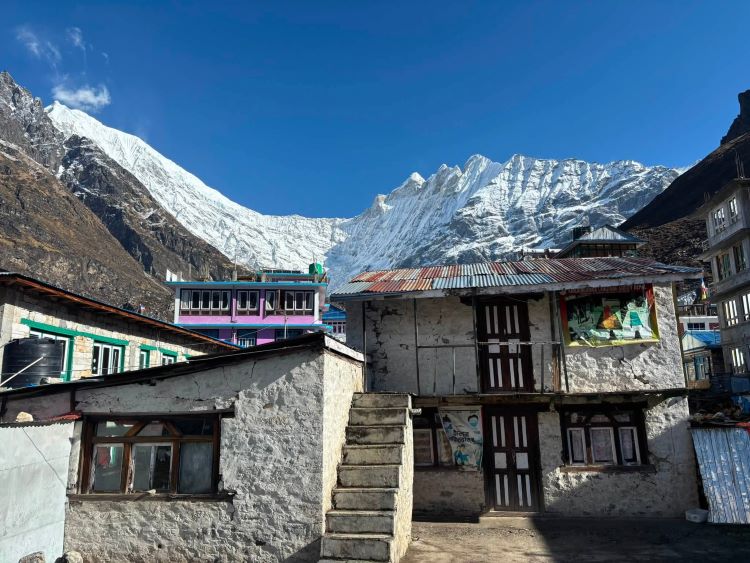
Langtang Valley Trek is among the most interesting mountain trips in Nepal. It provides you with the opportunity to admire the snow capped peaks, Tamang villages, glaciers, and diverse forests of Nepal as well as to experience the unique Himalayan culture. Located in the north of Kathmandu, near the border with Tibet, the trek takes you deep into the Langtang National Park.
Nevertheless, the uniqueness of the Langtang area comes with its own set of challenges. The trail leads trekkers to the viewpoint at altitudes higher than 4,900 meters at Tserko Ri. Such altitude, unpredictable mountain weather and remote trail conditions require careful preparation.
Although the Langtang Valley trek is a moderately difficult trip that is fit for many adventure tourists, safety should be a major consideration. The effective acclimatization, right gear, sound fitness, and proper knowledge of Himalayan conditions will go a long way in determining how easy or tough your trip will be.
Understand the Altitude Challenges Before Your Trek
Safety at higher altitudes becomes the primary concern while undertaking the Langtang Valley Trek.
The journey begins from an approximate height of 1,400 meters in Kathmandu and progresses through Syabrubesi, Lama Hotel, Langtang Village, and Kyanjin Gompa to a height of 3,850 meters. Moreover, you will be at 4,773 meters in Kyanjin Ri and 4,984 meters in Tserko Ri viewpoints.
At increasing heights, there is less oxygen in the atmosphere. The body takes time to adjust to such changes through the process known as acclimatization.
The common symptoms of altitude sickness may include:
- Headache
- Breathlessness
- Loss of appetite
- Nausea
- Dizziness
- Tiredness
- Trouble sleeping
These mild forms of symptoms may appear even in experienced mountaineers. Neglecting them and climbing further may result in:
High Altitude Pulmonary Edema (HAPE)
High Altitude Cerebral Edema (HACE)
These conditions need immediate descent and medical treatment.
How to prevent altitude sickness
- Don’t ascend too fast. A relaxed pace will make it easier for your body to adjust to the environmental changes.
- Stay well hydrated during the entire day. Dehydration may become a cause of altitude sickness.
- Do not drink alcoholic beverages at higher altitudes. Alcohol disturbs your sleep and causes dehydration.
- Pay attention to how you feel. Do not ascend further if symptoms get worse.
- Consider doing an acclimatization climb. Short day hikes and the nights spent at lower altitudes will help your body acclimatize better to high altitudes.
Choose the Right Trekking Itinerary
One of the most vital safety rules on the Langtang Valley Trek is choosing the right itinerary according to your physical condition and previous experience.
The main reason many trekkers neglect the harshness of the Himalayan terrain is the close location of Langtang to Kathmandu in comparison with other popular trekking destinations. Despite this proximity, the steepness of the paths and altitude difference require adequate preparation.
Rushing the itinerary will cause excessive tiredness and make acclimatization difficult for your body. More secure options include
- Moderate daily walking times
- Rest or acclimatization days at higher altitudes
- Adaptable schedule in case of changes in weather conditions
Keep in mind that a quick passage does not determine the success of the trip.
Prepare Physically Before the Langtang Trek
Even though this journey is quite an easy one, physical conditioning and a good fitness level are vital to ensure that the adventure goes smoothly. You need to prepare yourself for the long days of walking, elevation gain and varied terrains.
During the trek, you will be required to:
- Walk 5 to 7 hours per day over the mountainous terrain
- Walk up a whole day through varied landscapes which test your endurance and strength in your legs
- Walk down the steep stone trails
- Descend from the hills which can affect your knee joints
- Carry a backpack while hiking at an altitude where physical tasks become harder due to low oxygen levels
Recommended Training Before Your Langtang Valley Trek
Training is recommended between 4 and 6 weeks before you leave for your trekking destination. The cardiovascular exercise increases your endurance, making it easy for you to cope with the long treks without being tired. It also enhances your lung capacity, stamina and helps you maintain a steady pace at higher elevations. Some examples are:
- Hiking
- Running
- Bicycling
- Swimming
- Stair climbing
Besides, strength building is crucial since trekking entails ascending and descending multiple times as well as carrying a backpack for several hours. Focus on strengthening legs for both ascent and descent, core muscles for balance and stability and back muscles for carrying the trekking backpack. The exercises include:
- Squats
- Lunges
- Step-ups
- Planks
- Push ups
If feasible, take some practice hikes before your actual adventure. It is recommended that you walk along trails carrying a backpack weighing a similar amount to what you will be carrying in the Langtang Valley Trek.
Practice hikes help you test your hiking boots, enhance your walking stamina, know your speed and detect any gear issues before your trip.
In addition to preventing injuries and fatigue, appropriate physical preparations make it easier for you to appreciate the magnificent scenery and experience the adventure of the Himalayas to the fullest extent.
Pack Proper Trekking Gear for Safety and Comfort
It is necessary to equip yourself properly for the Himalayan adventures. Weather changes in Langtang are quick especially in higher altitudes. Sunny mornings can swiftly change to rainy, snowy, or windy conditions. The important thing is to pack light and smart.
You will be carrying a backpack or you will have a porter carry your duffel bag while you carry your daypack. Efficient packing is not only convenient for you, but it will also help you enjoy the magnificent view that the Himalayan range has to offer.
List of essential gear for Langtang Valley Trek includes:
- Base layers that wick moisture
- Fleece Jacket
- Down Jacket
- Waterproof Jacket
- Trekking pants
- Layered thermal clothes
- Hats and gloves for warmth
- Broken in trekking boots
- Socks made of wool
- Sandals and light camp shoes
- Backpack
- Trekking poles
- Head lamp
- Sunglasses
- Water bottles or hydration systems
- Cold sleeping bag
- First aid kit
- Sunscreen
- SPF lip balm
- Medications for personal use
- Water purification tablets
- Power bank
- Permits and other travel documents
Be Prepared for Changing Himalayan Weather
The climate in the Himalayas is very unpredictable, and the weather can change very abruptly in just a few hours. The morning sun can be followed by rain or even snowfall and the visibility could go down drastically due to high wind speeds. Understanding the seasonal climate in order to prepare adequately for the trek in Langtang Valley is crucial.
Spring (March–May) and Autumn (September–November) are the ideal times to undertake the Langtang Valley Trek. The spring season comes with moderate temperatures, good visibility of mountains, and the spectacular view of rhododendron forests blooming along the route. Autumn is usually referred to as one of the best trekking seasons in Nepal because of its stable weather, excellent visibility and perfect conditions for trekking and enjoying Himalayan views.
Even though the Langtang Valley Trek can be undertaken in winter and monsoon seasons, this period requires extra preparation and flexibility from the hiker. Winter trekking could include snow covered routes, freezing weather and tough conditions in higher altitudes. The monsoon may bring about rains and muddy trails as well as low visibility due to the clouds and mist. It is always important to follow the necessary weather safety tips while on the trek such as:
- Check weather forecasts before leaving
- Wear waterproof clothes
- Begin your hike early when possible
- Avoid walking during storms
- Follow local guidance about trail conditions
Hire a Licensed Guide
While the Langtang Valley Trek is known to be an accessible route, having a professional guide helps enhance your safety while on the journey. A local guide offers:
- Navigation skills
- Tips for altitude adjustment
- Information about the weather
- First aid in case of emergencies
- Insight into local culture
- Communication services
A guide becomes indispensable in case of an unforeseen situation like injury, sickness, changes in the trail, bad weather etc. With the Langtang area being a remote mountainous region, a local guide can be really beneficial to ensure a safe and successful journey.
Stay Safe on Remote Mountain Trails
This is a path through forests, streams, villages, and high mountain landscapes. Some sections require you to pay keen attention. It is important to move carefully on rocky parts as loose stones and uneven terrain can cause slips and injuries. Likewise, trekking poles help you with your stability and also reduce pressure on your knees on the steeper downhill slopes.
Avoid rushing which causes tiredness and increases the chances of accidents and injuries. Always stay on the marked hiking paths and don’t explore new trails alone as there is a greater chance of getting lost in the wilderness of the Himalayas. It is also very important to be cautious near cliffs and rivers especially during or after rainfall, when rocks can become slippery and river currents are much stronger.
Eat Well and Maintain Energy Levels
Nutrition is important when trekking at high altitudes. Your body uses more calories when trekking in cold surroundings. Consume nutritious meals such as
- Carbohydrates provide energy
- Proteins to help recover
- Healthy fats to supply energy
Common trekking foods are dal bhat (rice and lentils), noodles, soup, eggs, vegetables and porridge. Keep yourself hydrated and do not skip meals even when you lose your appetite at high altitudes.
Carry Travel Insurance for the Langtang Valley Trek
Travel insurance is probably the most critical form of safety preparation for Himalayan treks.Make sure your insurance covers you for trekking above 5,000 meters in altitude. A good travel insurance policy will include coverage for:
- High altitude trekking
-
- Evacuation due to emergency situations
- Helicopter rescue
- Medical coverage
- Trip cancellations or delays
It can become quite costly to be evacuated from the Himalayas by helicopter; thus, comprehensive insurance becomes necessary for essential financial protection.
Emergency Preparation During the Trek
Even though it is uncommon to experience emergencies during the Langtang Valley Trek, it is good to prepare for such an event. This will ensure that you are safe when you are undertaking the mountain adventure.
Prior to setting out on your trek, ensure that your trekking itinerary is communicated to your family members or a trusted person. It is also important to have a list of emergency contacts, bring all your medication, and understand evacuation plans if your insurance covers it.
It is true that a mobile network is available in some parts of the Langtang area; however, there are also parts where there is no reception and where your phone may not work. Thus, it becomes necessary to be adaptable. Be prepared to make changes in your plans because of situations like bad weather conditions or trail closures. Besides, listening to your guide carefully and maintaining health and well being will make your experience enjoyable.
Speak to our local travel expert, who can assist you in planning your trip.
PLAN YOUR TRIP Friday, September 18th, 2026
Top 10 Best Trekking Operators in Kathmandu, Nepal
 Friday, September 18th, 2026
15+ Best Things to Do in Kathmandu, Nepal
 Sunday, September 6th, 2026
Annapurna Base Camp Trek from Pokhara
 Wednesday, September 2nd, 2026
Best Everest Three Pass Trek Company in Nepal
 Tuesday, September 1st, 2026
26 August 2026 Nepal-Tibet Border Flash Flood
 Tuesday, September 1st, 2026
How to Get to Everest Base Camp from Kathmandu?
 Monday, August 31st, 2026
Everest Base Camp Trek Permit, TIMS & Guide Requirements
 Thursday, May 7th, 2026
Manaslu Trek Routes Guide
 Thursday, June 11th, 2026
Is Nepal Safe for Tourists? Travel Safety Guide
 Thursday, June 11th, 2026
Spiritual Travel in Nepal: A Guide for Seekers
 Monday, April 27th, 2026
Manaslu Trek Booking with Tour Guide Vs Agency
 Sunday, April 19th, 2026
10 Reasons You Should Hike Annapurna Circuit
 Thursday, April 16th, 2026
How to Choose Best Annapurna base Camp Trek Agency
 Tuesday, July 7th, 2026